




What kind of animal for a child?

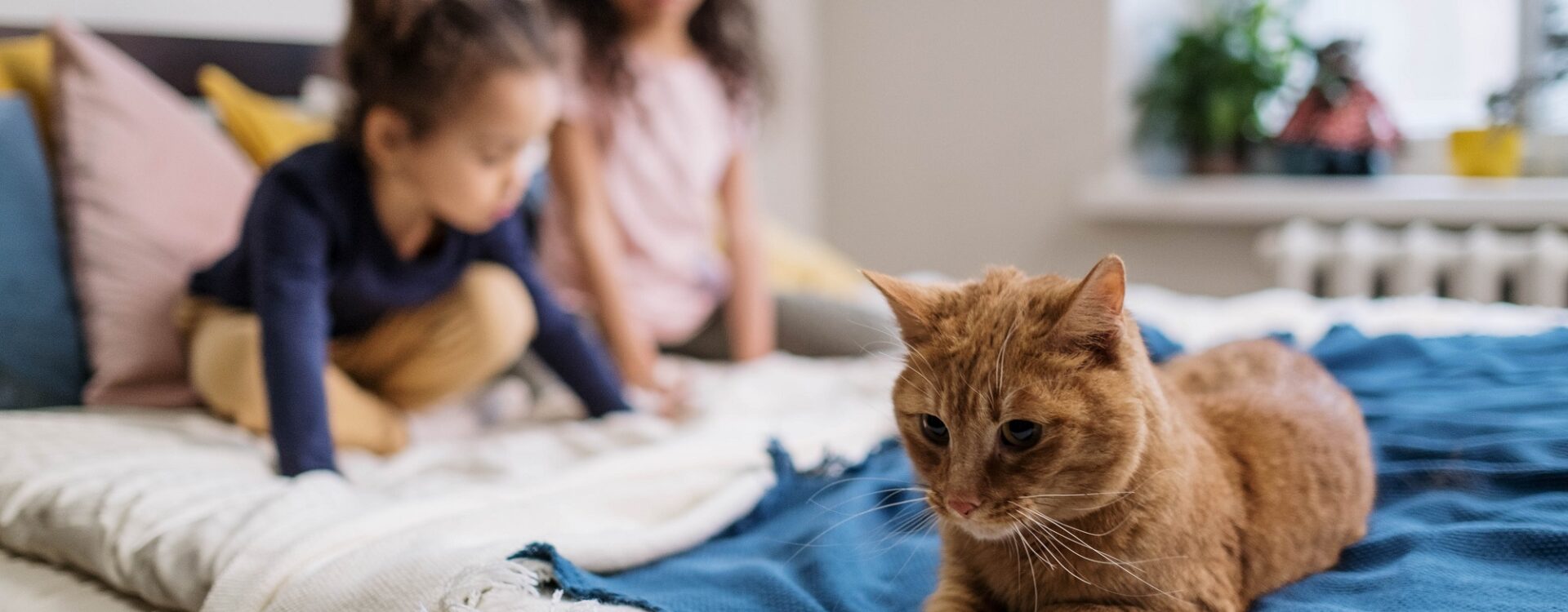
Every child dreams of a pet. He starts his dreams with a hamster. Then he wants a cat and a dog. It ends up wanting them all at once. On the one hand, there is nothing wrong with that, because a pet teaches empathy, responsibility, and develops the child's social skills. On the other hand, the animal is not a toy and is not bought for a moment for a child. Such a decision is the acceptance of another family member.
Fluffy and sweet animals seem like children's best friends. Children themselves are too young to understand that animals aren't toys, but living creatures with feelings, creatures that can have bad days, feel pain, and have their own needs. Parents, by accepting a pet in the home, assume full responsibility for its life and the need for constant care. Therefore, if a child wants a pet, the parents must first consider whether they are ready for one and whether they can handle the shared responsibility—both financially and time-wise—for a new creature in the home. Only after these decisions can they consider what kind of pet will be best for the child at a given age.
An animal for a child: what to consider?
The right pet for a child depends on several factors. The first important criterion is the child's age . Parents, as guardians responsible for the safety of both children and animals, should primarily consider their child's developmental stage . Sometimes, even toddlers are capable of caring for a pet; in other cases, for example, fish would be a safer option for a 4-year-old. Another criterion is any potential obstacles that might arise while caring for the animal . Home conditions are an important factor. When considering which pet to buy or adopt, consider the space available in the house or apartment , as well as daily habits and living conditions : for example, whether the family prefers heat or is more cold-loving. It's also crucial to answer the question of whether household members have time to devote to walks, feeding, and playing . It's also crucial to remember about allergies ! In fact, this is the most important factor that can determine the decision to own any pet. Allergies to dog, cat, or rabbit dander can significantly limit your options . Only by analyzing all these interdependencies will you be able to consider which pet will be appropriate for your specific home and family.
Which animal should I choose for my child?
The most popular pets are undoubtedly dogs and cats . They're creatures you can interact with, and it's likely that your child will ask for one of them. For an active toddler, a dog would be a wonderful playmate. Shy children would probably be more likely to get along with cats, which are naturally less outgoing, but their presence can greatly improve a child's well-being.
Expert advises
When deciding on a dog or cat, remember that caring for them is very demanding. In addition, it is associated with a longer time, which will be subordinate to the animal - 10-20 years. During this period, the task of the family will be to take care of his health - including the required vaccinations, deworming and protection against parasites. Much of this responsibility rests with the adults, caregivers, and parents, not with the children.


Smaller pets: a hamster, a parrot or maybe a fish?
For the youngest children, a better choice would be a small rodent : a hamster, mouse, or guinea pig . Caring for one doesn't require specialized knowledge. Simply purchase a cage and stock up on good-quality food. Such a pet is a good option for a child, even if you can't devote much time to caring for a pet yourself. However, it's important to remember that these animals can sometimes bite. Another option is birds—canaries and parrots . There are many species to choose from, and caring for them isn't too demanding. A sufficiently large cage, good-quality food, and, as with any pet, attention to their health are essential. What about fish ? This is a very good idea, especially if a child has trouble concentrating, is hyperactive, and needs quiet time . Observing the underwater world is wonderfully calming and helps a child focus. Caring for fish isn't complicated; under the supervision of a parent, a child can successfully participate in cleaning the aquarium. The technical side remains a separate issue – you need space, regular water changes and care for the ecosystem.
Pet: joy and responsibility
Growing up with a pet undoubtedly has a positive impact on a child's development. Through daily care, a child learns responsibility, develops empathy, and develops sensitivity. Furthermore, daily observation of animals can also bring a great deal of joy. However, it's important to remember that adults are responsible for children and animals in the home. Therefore, choosing a pet must be carefully considered — to ensure no one gets hurt.
Recommended products


Psychologist, pedagogue and specialist in psycho-oncology, Department of Oncology and Oncological Surgery for Children and Adolescents, Institute of Mother and Child
Author