





What duvet and bedding for the child?

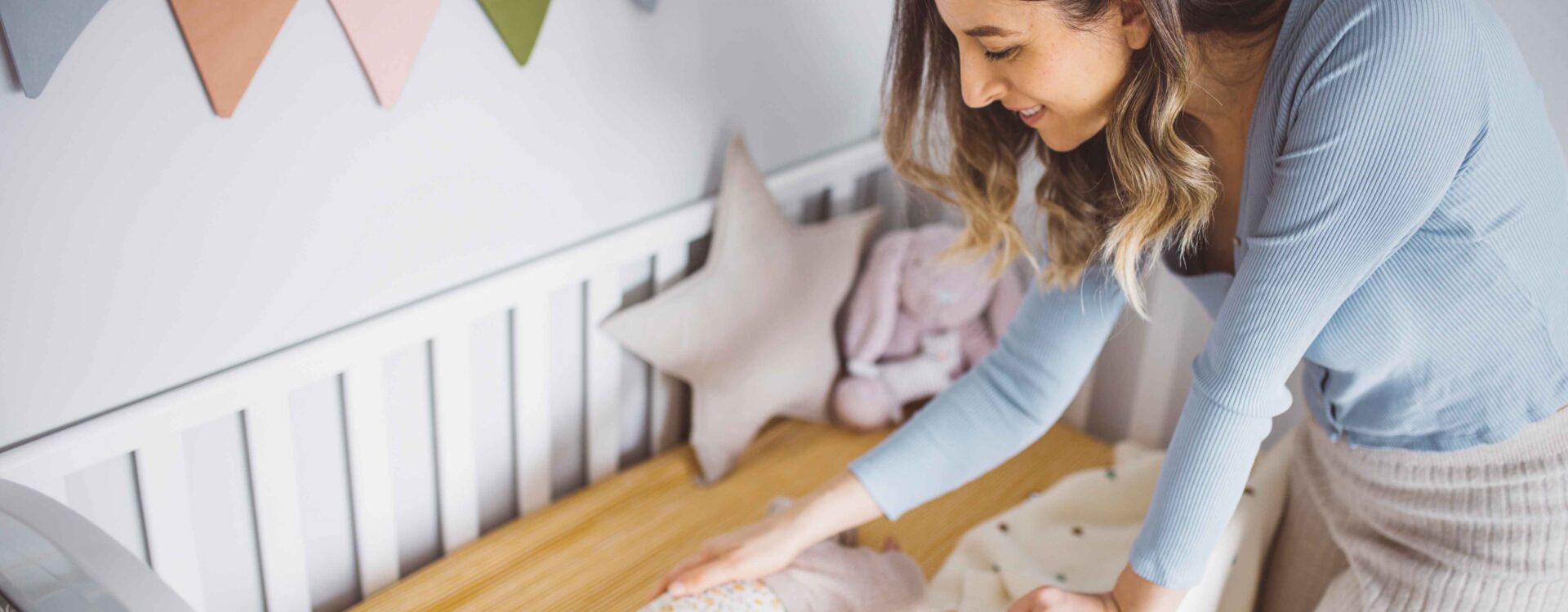
When choosing bedding for a toddler, it's easy to find numerous online reviews of specific products — pillows, duvets , and entire sets of baby bedding . Are these reviews and manufacturer information enough to ensure that the bedding you choose will provide optimal conditions, safety, and comfort for your child?
After being born, the little one spends most of the time in the crib. When equipping them, many parents wonder what kind of bedding for a newborn or infant will be the best. There are questions about the pillow or quilt, as well as the filling for baby bedding. Below we suggest what criteria to follow in order not to regret the decision made in this regard.
What bedding for a newborn?
Expectant parents sometimes start thinking about what bedding will be in a newborn's crib long before the baby is born. A newborn will sleep most of the day, so bedding is a crucial part of the layette.
To answer the question of what bedding is a good choice for a newborn, let's start by listing the most common components. The number of items can vary, but most often they include a swaddle blanket, a duvet cover, a blanket, a sheet, a duvet cover, and sometimes a sleeping bag . The above list doesn't include a pillow or pillowcase – we'll explain why later.
When choosing individual elements of bedding for a newborn , you should pay attention to:
- raw materials from which bedding is made, necessarily with certificates;
- design features and dimensions,
- design that meets the needs of the child, but also matches the decor of the space intended for him.
Important raw materials, cut and quality
The raw materials used in bedding products for newborns and infants are undoubtedly cotton fabrics in various varieties – the softer, the better. Bamboo viscose is also a desirable material due to its antifungal and hygroscopic properties – it quickly absorbs moisture.
Polyester is the best choice for baby bedding – wraps, duvets, and blankets – as it allows for frequent washing, which is essential for newborn and infant hygiene. The most comfortable crib sheets are made of natural fabrics or knits and feature elastic around the perimeter. We buy them based on the three dimensions of the mattress the sheet will be placed on, ensuring a proper fit and preventing slippage.

Other important bedding features include the type of seams, the decoration, and the fastening of duvet and pillowcases . Seams should be soft, and any fasteners or embellishments, especially large buttons, should be kept away from the baby's head or mouth. Hidden zippers without pull tabs are best, as these elements can scratch a baby's delicate skin.
What bedding for a baby?
The criteria for choosing bedding for a baby past the newborn stage remain essentially the same, except for size. Possible dimensions for a toddler's duvet are: 110 by 125 cm, 120 by 90 cm, or 135 by 100 cm. The duvet should be quilted to prevent the filling from shifting. This is crucial for frequent washing and drying and reduces wear and tear. Is a baby pillow necessary?
Expert advises
Although there are different opinions on this subject, specialists agree: a child under the age of 1 does not need a pillow for the proper development of the spine - it is recommended to sleep on a flat and even surface of the mattress. In the second year of life, a toddler can already use a pillow measuring 2 by 35 cm or 55 by 40 cm, but it should be as flat and thin as possible. As for the filling, polyester fiber works best here as well, allowing frequent washing and quick drying.


What duvet for a child?
The answer to the question of which duvet is appropriate for a newborn depends on age. Let's start with whether and which duvet to choose for a newborn. Large duvets shouldn't be purchased for the youngest babies , as for complete safety, the baby shouldn't have excess fabric around them while sleeping, which could restrict airflow or restrict movement. A blanket for newborns in the first few days of life can be a wrap . This is an 80x80 cm blanket that is wrapped around the baby, making it easier to latch on. Wraps are available in many different materials.
Expert advises
It is worth remembering an important rule: for contact with the baby's skin in the newborn period and in the first months of the infant period, use the side of the quilt which is made of natural fabrics (cotton, bamboo). The nice-to-touch side of the blanket, quilt, and cone made of velveteen or minky fabrics is, however, polyester, i.e. artificial fibers.
What blanket for a newborn and infant?
To be completely happy, all that's missing is a warm blanket, which can serve as an extra layer when it's really cold. If the blanket is warmer, it can be used on its own, without a duvet. There are many such products available on the market, made of knit fabrics with varying amounts of cotton, wool, and acrylic. For a newborn, choose a blanket made of the most natural fibers possible, with the lowest potential for allergic reactions. It's worth adding a removable cover for washing if it gets slightly dirty; otherwise, it should be washed as soon as it gets slightly wet or dirty.
Recommended products
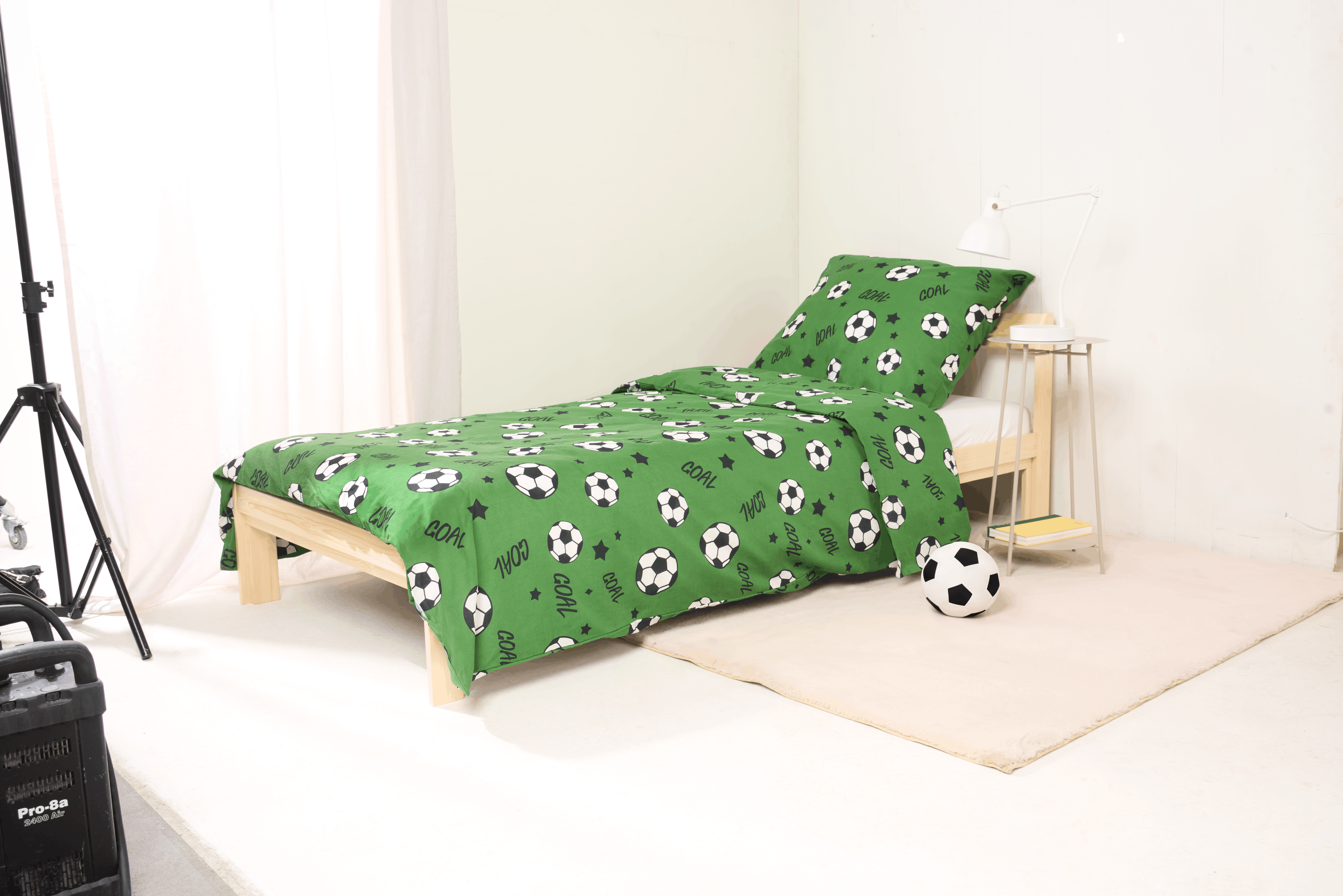

Senior specialist in the Department of Assessment and Cooperation Development, Institute of Mother and Child
Sleeping bags: when are they useful?
Parents often ask experts about sleeping bags for babies: should they be used and at what age? The market currently offers a wide range of them, with products with different design features and operating principles to choose from. There's a group of swaddle sleeping bags that provide a tight wrap around the baby's entire body while restricting the movement of their arms and legs. These sleeping bags are ideal for babies who are very restless even at newborn age and have difficulty falling asleep.
Specialists in the field of rehabilitation emphasize, however, that such solutions should not be used for too long (on average up to 2-3 months of age), otherwise they may have a negative impact on the child's musculoskeletal system. To ensure the proper development of the toddler, the mobility of the limbs should not be limited by anything, also at night.
For infants, it is worth choosing sleeping bags equipped with zippers and closures that allow easy changing of the diaper, i.e. with the so-called. opening from the bottom. A good sleeping bag ensures freedom of movement, and at the same time protects at night when the child is moving intensively and a duvet or blanket is not enough.
Baby bedding: colors and patterns
We do not offer flashy colors and patterns to a newborn, but there is more and more information about the impact of contrasting color combinations on a child to stimulate development. The colors black and white, as well as red or yellow, can have a positive effect on the perception of the environment.
However, in the first days and weeks of life, bedding should have more pastel, cream colors, because such colors remind babies of the color of their mother's skin, calm and soothe. Older children at the age of several months can be offered a larger palette of colors, as they distinguish more and more features of the environment - the world gradually takes on new shapes and colors for them.
It is best when the cot's equipment matches the toddler's room design, giving him relief and comfort. Appropriate colors also have a beneficial effect on adults who spend a lot of time in their surroundings in the first and subsequent months after the appearance of a small family member, involved in childcare and childcare activities.
Baby bedding: what about washing and ironing?
Baby bedding should be washed and ironed as often as possible to destroy pathogenic germs and dust mites that breed in dust and can cause allergies. Ideally, bedding should be washable at high temperatures, at least 60°C, and suitable for ironing . If the manufacturer recommends a lower wash temperature, it's a good idea to thoroughly iron fabrics and knits before placing a newborn or infant in them.
The fewer the better?
Yes, when it comes to bedding, this is a good approach. Considering the need to adhere to safety and hygiene guidelines, the bed should be as few items as possible.
Decorative pillows or cushions-mascots can be found there only when the child consciously uses them. They also need to be washed frequently - mainly due to the type of fabrics they are made of - because the longer their hair, the more dust they accumulate.
Author