





A premature baby at home: joy and challenge


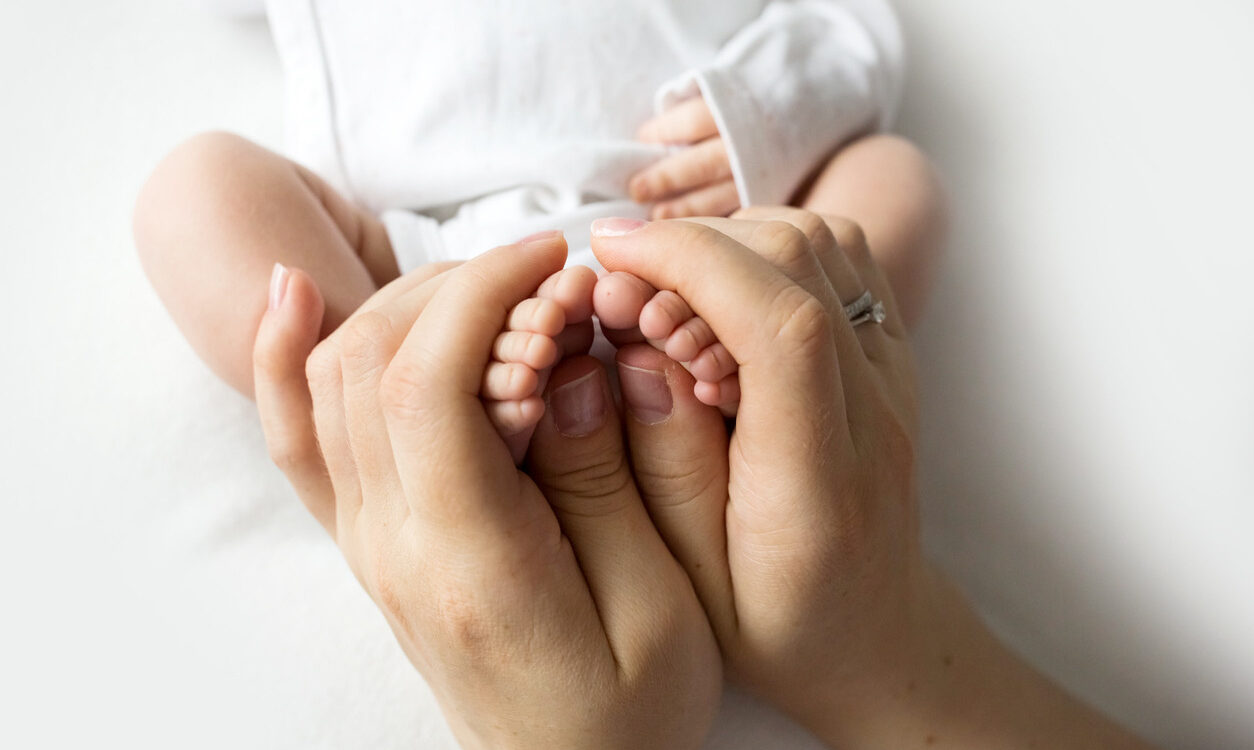
Premature babies need a lot of time to be able to leave the hospital. Right after birth, they stay in incubators, sometimes spending up to several dozen weeks there. This is the time when they have to make up for everything that did not happen in the mother's belly. Everyone is looking forward to the moment when the baby will be able to return home.
The problems and doubts faced by parents of premature babies are presented by an expert in neonatology and pediatrics. We invite you to read the article.
Discharge of a premature baby from the hospital: welcome home
When doctors decide to discharge a premature baby, it's a very emotional experience for the parents. They've been waiting for this moment for weeks. They visit the hospital daily, participate in the baby's treatment, and nurses teach them about care and how to feed a premature baby at home.

Parents' presence with their child from the first days of life is crucial. This prepares them to care for their baby independently and provides them with specific guidance, such as how much a premature baby should eat . After leaving the hospital, they will certainly face fewer surprises, and if anything were to happen, they can always count on the help of the hospital doctors from the neonatology department, who are in constant contact with the parents.
A premature baby at home: when might this happen?
Parents of premature babies should be patient, because before their premature baby can stay at home permanently, they must acquire several important skills. These four conditions must be met simultaneously , meaning the baby should:
- breathe independently;
- eat independently - the child should suck and show interest in food;
- maintain a constant body temperature;
- reach a weight of at least 2 kg.
A premature baby develops this condition over several weeks , sometimes even months. It all depends on the week of life the baby was born. The baby is ready to leave when it receives the green light from the doctors and, of course, a discharge certificate.
The smallest and youngest child I remember was probably Marysia, born in the 23rd week of pregnancy. She weighed 480 g. She left the hospital after 21 weeks, which was really not much later than if she was born on time. During this time in the incubator she made up for all the arrears resulting from the earlier appearance in the world. This brave little girl was ready to live outside the hospital ward when she left the hospital.
Feeding a premature baby at home: how many and how often?
One of the most common questions parents of newborns have is how to feed a premature baby at home . The question of how much a premature baby should eat and how often it should be fed will usually be answered by a neonatologist when discharging the baby home.
Expert advises
Feeding is a very individual matter and depends on the general condition of the baby. While still in the hospital, the doctor observing the baby may recommend, for example, enriching the food with calories so that the baby gains weight faster. Moreover, it sometimes happens that the baby's diet needs to be supplemented, usually with iron, blood preparations and vitamin D3.


How much should a premature baby eat?
As much as they need. Each case is treated individually , and the baby will always get what they need . Premature babies adapt very quickly to pacifiers and even breastfeeding. It's also worth noting that, without a doubt, the best food for a baby is mother's milk.
Recommended products




Senior specialist in the Department of Assessment and Cooperation Development, Institute of Mother and Child
Kangaroo care: what and how can it help a toddler?
Kangaroo care is direct contact with a newborn through touch. This is crucial for premature babies, as they were deprived of cuddling with their mother during the first weeks of their lives.
Kangaroo care involves cuddling a naked baby directly against the mother or father's skin, allowing the baby to begin to bond with their parents. Close contact stimulates their sensory receptors. Without this, a premature baby may experience sensory integration issues, and their nervous system will be unable to properly process external stimuli. Kangaroo care also helps stabilize their body temperature.
A premature baby at home: when is the time to visit?
The day has finally arrived – the premature baby is home . Everyone is happy and eager to meet him. But when is visits from close relatives even possible? The principle is the same as for full-term babies – when the baby is ready.
Expert advises
Parents need to become aware of a certain relationship. It's not the child who wants to see the family, it's the relatives who want to meet the baby. First, however, the toddler should get used to the home, surroundings, rituals, and mom and dad. Only when he responds to stimuli relatively stably can you invite your extended family.
Medical consultation