


New nutrition rules in schools and kindergartens from September 2026. What will change on children's plates?

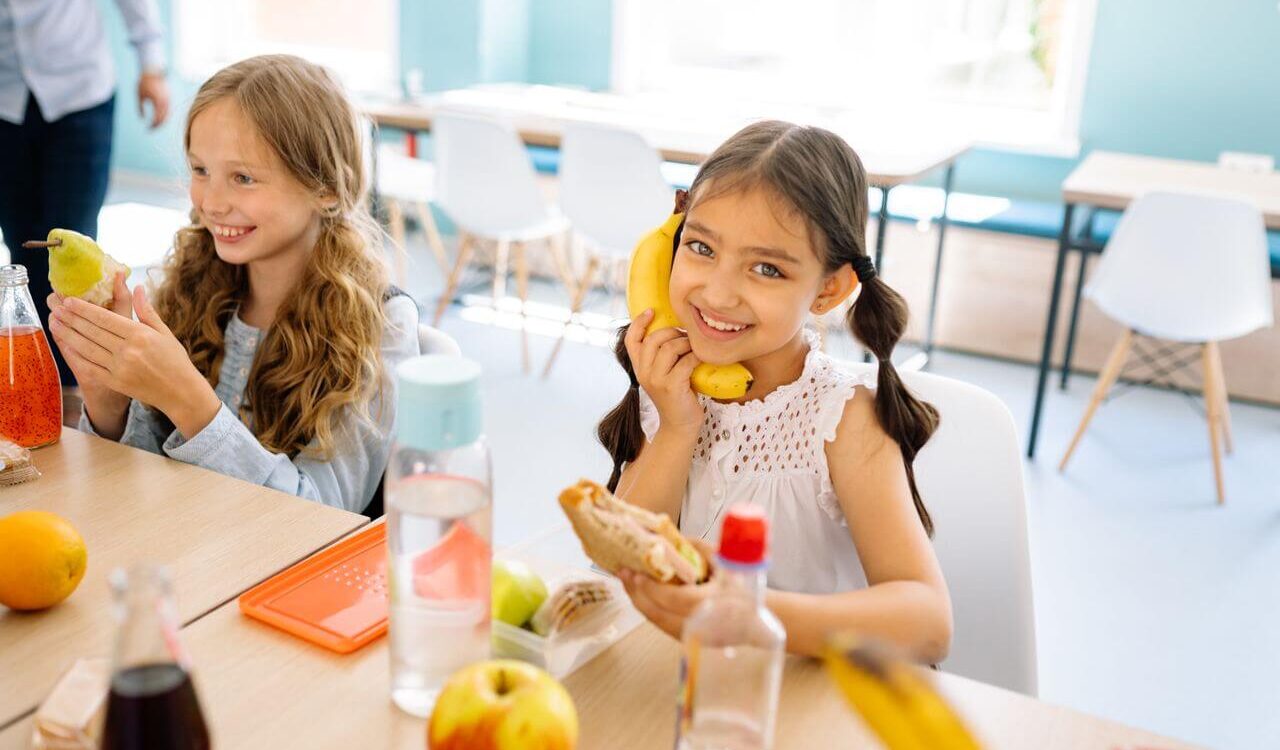
Starting in the 2026/2027 school year, new rules regarding children's nutrition will come into effect in school and preschool cafeterias and shops. The changes are based on the Regulation of the Minister of Health of February 16, 2026, and include, among other things, reduced sugar and salt intake, a higher proportion of plant-based foods, including legumes, and solutions aligned with the so-called planetary diet. The new regulations are intended to support not only children's health but also the gradual development of healthy eating habits and a more informed approach to food. What exactly will change on preschoolers' and students' plates from September, and what do the new regulations mean for parents?
Meat and fish in a new way: more emphasis on quality
One of the changes concerns the types of meat products that can be included in school and preschool meals. According to the new regulations, fresh meat will be used – raw, ground, or in the form of meat products that have not undergone any preservation processes other than refrigeration or freezing. In practice, this means eliminating products such as hot dogs and mortadella from menus.
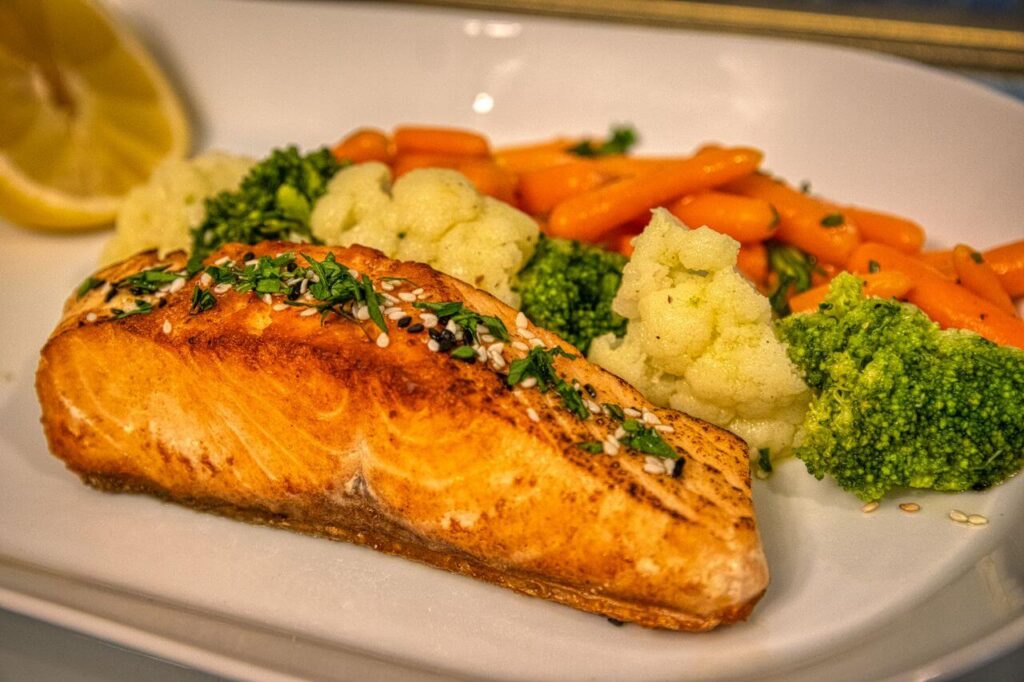
Fish, however, should appear on the menu at least once a week . Oily marine fish, such as salmon or mackerel, are particularly recommended, as they are a source of omega-3 fatty acids. For children, the way they are served is also important – boneless fillets are recommended.
Legumes more often on school plates
A greater share of plant products will also be visible in dinner dishes.
At least once a week, dinner should be based on legumes and free of animal products, including eggs and dairy. Therefore, beans, lentils, chickpeas, and peas are no longer just a soup addition and can become the basis of a full meal.
They're valuable sources of protein – dry legumes contain about 25% protein on average . They also provide iron: for example, a serving of cooked white beans can contain more iron than a serving of chicken breast . Because plant-based iron is less readily absorbed by the body, it's a good idea to pair such meals with foods rich in vitamin C , such as peppers, tomatoes, or pickled vegetables.
More vegetables at every meal
The changes also include the proportions of vegetables and fruits. Both food groups should be present in children's daily diets, but the proportion of vegetables in meals should be higher than that of fruit. In practice, this means a greater variety of vegetable additions to breakfasts, lunches, and afternoon snacks, instead of relying primarily on fruit to meet the recommendations.
At least twice a week, soups should be prepared with vegetable broth, and not solely based on meat or bones.
One way to increase children's acceptance of vegetables is to serve them buffet-style . Children then choose from among the available products and decide how much to put on their plate.
What will change in school shops from September 2026?
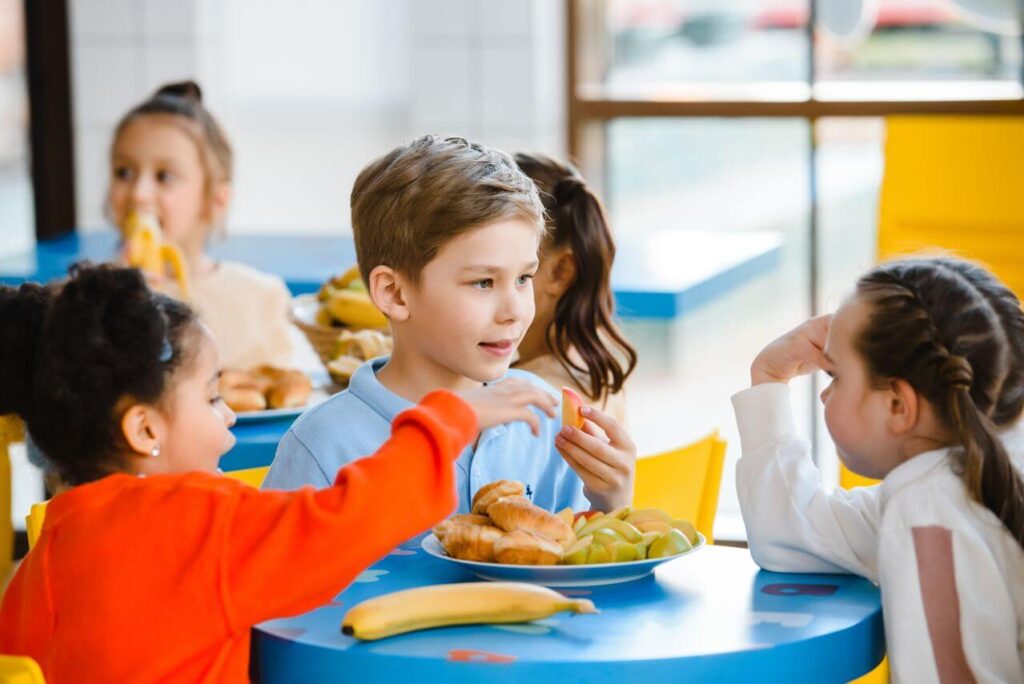
The new regulations will also apply to products available in school shops. For many food categories, including breakfast cereals, dairy products, and plant-based drinks, the sugar content will not exceed 10g per 100g of product.
The approach to sweeteners is also changing. Products marketed to children must not contain sweeteners – this applies to aspartame and acesulfame K, as well as ingredients such as stevia and xylitol. Furthermore, the regulations eliminate the previous category of "other" products, which allowed the sale of items that did not meet the criteria assigned to the other groups.
What's new is the ability to offer bread made from deep-frozen dough . This method of preserving the product has been approved as a method that preserves its quality.
Water comes first for preschoolers and students
The changes also apply to beverages served to children throughout the day. Water will be the preferred choice , and students and preschoolers should have access to it even outside of mealtimes.
However, less sugar will be found in drinks prepared on-site. For compotes, teas, and other similar beverages, the permitted amount of added sugar has been reduced from 10g to a maximum of 5g per 250ml of finished drink.
To enhance the flavor of water without adding sugar, you can add fresh herbs, such as mint or basil, or pieces of fruit. This method of serving drinks helps gradually accustom children to a less intensely sweet taste.
Read our article about whether children can drink isotonic drinks every day.
Elimination diets: a plant-based alternative to the menu
The new rules also address the needs of children who do not consume meat or other animal products. On days when the basic menu includes meat or fish, the facility should provide an appropriate plant-based alternative, primarily based on legumes.
The composition of such a meal should meet the child's needs, as expressed by the parents. In the case of a vegan diet, the meal cannot contain any animal products. However, in a vegetarian diet, it may include eggs or dairy products, provided they meet the requirements for child nutrition in institutions.
In our other article you can read more about vegetarian and vegan diets for children.
Healthier for children, better for the planet
The new regulations align well with the principles of the so-called planetary diet , which combines concern for human nutrition with responsible use of environmental resources. In practice, this means a greater emphasis on plant-based products, seasonal and local foods, and reducing food waste . Schools and preschools can thus become places where children become familiar with this way of thinking about food through everyday experience, not just theory.
This way of eating can help children develop healthier habits and better understand that their daily food choices affect not only their health but also the environment.
Bibliography (sources accessed on March 30, 2026):
- Regulation of the Minister of Health of February 16, 2026 on groups of foodstuffs intended for sale to children and adolescents in educational system units and requirements that must be met by foodstuffs used in the collective catering of children and adolescents in these units (Journal of Laws of 2026, item 197).
- Kaczorek M., Krzemińska A., Taraszewska AM, You Can Love Legumes! A Practical Guide for Those Managing Children's and Youth Nutrition, National Institute of Public Health PZH – PIB, Warsaw 2026.
- Rychlik E., Stoś K., Woźniak A., Mojska H. (eds.), Nutrition standards for the Polish population, NIZP PZH-PIB, 2024.
- Taraszewska A., New "shop" regulation. Kindergarten and school cafeteria meals, National Center for Nutrition Education, April 2026.
- Taraszewska A., School Shop Regulation 2026 – What's New? School Shops and Vending Machines, National Center for Nutrition Education, March 2026.
- Mass Meals in Preschools and Schools: Frequently Asked Questions in the Context of Regulation 2026, National Center for Nutrition Education, June 2026.
- Healthy Eating Plate – official recommendations of the National Institute of Public Health PZH-PIB regarding the proportions of products in the daily diet.


