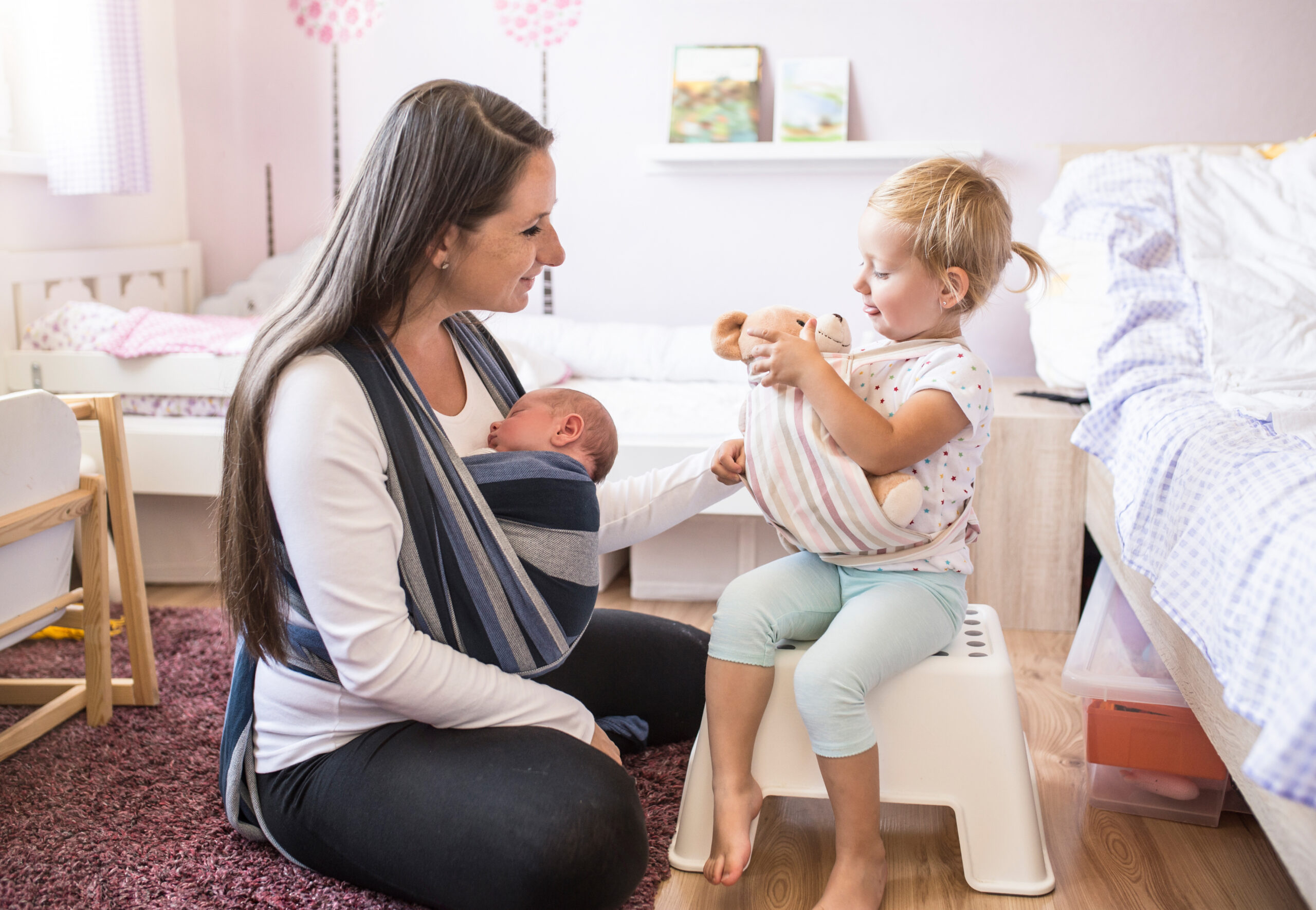





Is your baby seated already?

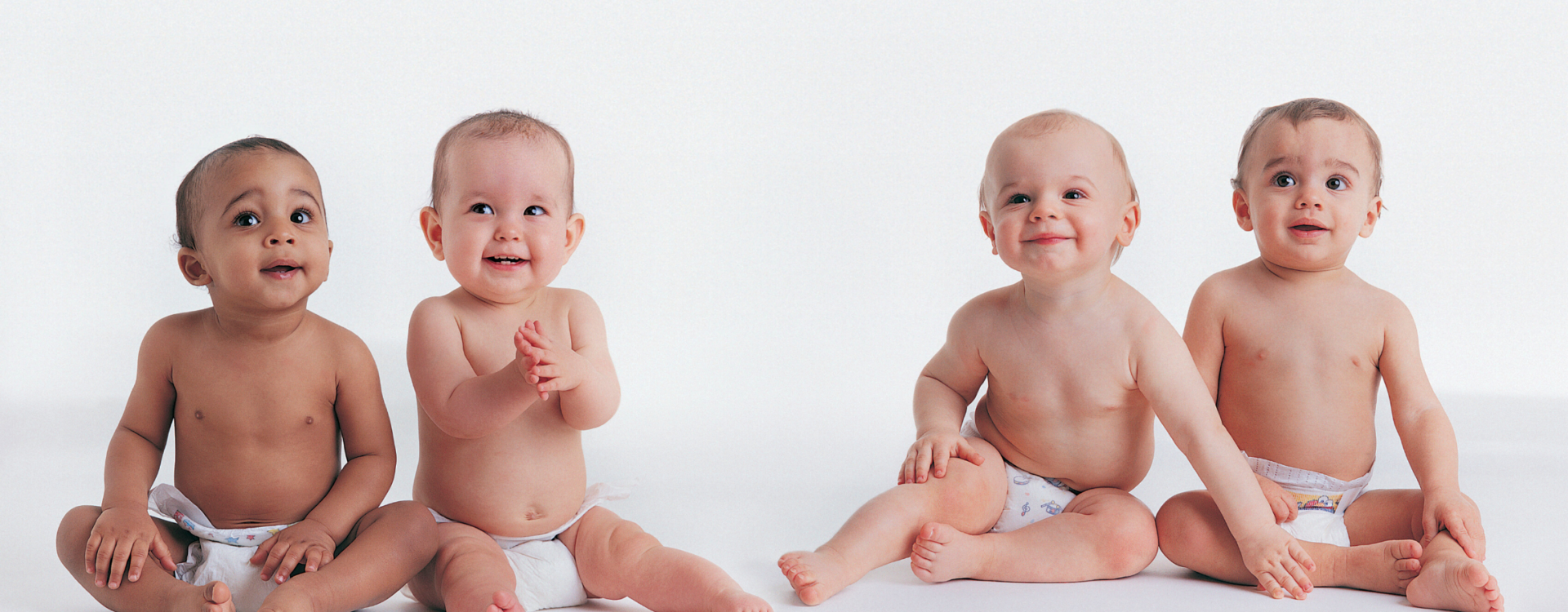
When our child is slowly approaching 6 months of age, we start to hear the question from everywhere: is she / he already sitting? They are asked by people from the immediate vicinity, such as aunts or grandmothers, but also friends and colleagues who also have small children. While the former can be forgiven, because they present a slightly different perspective on raising children, questions about the sitting down of an infant from other parents of children may surprise.
We come to help in finding answers to these questions. In this article, you will learn when your baby should sit up, and when your baby should actually sit up. We will dispel your doubts about how your baby sits down. We invite you to read.
Baby sitting down: when does the baby start to sit up?
Over the past few years, social media, blogs, and the internet, not to mention the professional literature, have become rife with information about what activities to expect at specific stages of an infant's life. These sources typically emphasize that each child develops at their own pace. However, there are, of course, time frames that suggest when certain skills should emerge (for example, when a child can sit up on their own), giving parents the opportunity to consult a specialist if they observe a significantly different situation.
Below we show how the proper motor development of an infant takes place (until the child begins to sit up on its own).

In what month does the baby sit?
Specialists, wanting to indicate in which month the child sits down, indicate that the first attempts to sit down should be made by children between 5-7 months of age.
We emphasize - firstly, they can (and do not have to), and secondly, it is about the beginning of the moments when the child starts to sit down, and not fully mastering this skill! It all depends on the child's predisposition - some children will try to sit down earlier, others later. There is no need to wonder when your baby should start to sit up, it is really an individual matter.
Baby sitting down: nby force, because you can harm
We can clearly see that the age range for specific activities a child engages in is quite wide. Therefore, the best solution for parents is to wait calmly and support their child's development. But not the old habit of our mothers and grandmothers of forcing them to sit down and propping them up with pillows.
Expert advises
Such practice can only harm a toddler, as it promotes incorrect posture in a sitting position, with a rounded back, hunched shoulders and a head put forward. It is not a natural posture, similar to how an infant sits down on its own. Paradoxically, instead of speeding up anything, force-seating may delay mastering the ability to sit down by itself. So let's give our toddler time to develop in his own rhythm.


It may happen that she will sit up at 8 or 9 months of age and this will also be correct. According to some researchers of child motor development, an infant may sit down on its own even later. It is important that the toddler adopts this position himself and is able to change it.
How an infant sits down: nfirst on the tummy
Parents know perfectly well that lying on their tummies is very beneficial for an infant's development, so let's place our little one on a mat as often as possible and play with them. This is the best way to support their development.
Remember that due to the risk of SIDS (sudden infant death syndrome), newborns and younger infants should not be left unattended while lying or sleeping on their tummies, especially before they are four months old. When placing your baby on their tummy, make sure they are lying on a firm surface, not a soft mattress, without pillows or blankets.
Be careful with changing to the stroller
We should also be careful when transitioning from a carrycot to a stroller. It can be difficult, but a toddler shouldn't be in a stroller until they can sit up on their own (we wrote about this here ).
When to see a specialist?
However, if the question of when a baby sits up is troubling us and we're concerned about something about their development. Alternatively, if they still don't sit up independently after 10 months of age, it's worth seeing a doctor. They will examine the baby, advise on what to do, and, if necessary, recommend treatment.
The baby is sitting and what's next?
When we reach the point where our baby should be able to sit up on their own, and actually does, we can expect that they'll probably start crawling soon. This means trips around the house and the need to take proper safety precautions. It also signals a need to work on our physical fitness, as suddenly we'll discover that there are corners of the house our little traveler will love to explore.
And until that moment comes, let's remember that a six-month-old child does not have to sit on his own! So let us not allow ourselves to be terrorized by this view.
Author