




Is teeth whitening safe?


Is teeth whitening harmful ? How can you safely whiten your teeth at home , and is it possible using home remedies? Or is it better to go to the dentist for teeth whitening – but is it worth investing several hundred zlotys in such a procedure? How long do the whitening effects last at the dentist's office, and does teeth whitening damage enamel ? In this article, we discuss the facts and myths about safe teeth whitening.
What influences the color of the teeth?
Not all of us are naturally blessed with a snow-white smile. However, almost everyone sees beautiful teeth as their best feature and a symbol of attractiveness. Before answering the question of how to safely whiten teeth, it's worth considering the origins of discoloration and the unattractive shade of our teeth. Tooth color is caused by both the staining of the enamel and the dentin itself, where long-chain organic compounds called chromatophores are deposited. The fact that our teeth are not perfectly white can be caused by many factors, including:
Genetic factors
The condition and color of enamel and dentine are often inherited, as is the susceptibility of teeth to plaque formation. This means that each person's teeth can react differently to each whitening method.
Lifestyle
Here you can mention: smoking tobacco products, consuming a lot of coffee, tea and red wine, and food rich in coloring additives, e.g. cochineal (dyes are commonly used, among others, in yoghurts or sweets).
Taking certain medications
For example, long-term iron supplementation, medications containing tetracyclines, or chronic use of chlorhexidine mouthwashes.
Aging of the body
With age, the enamel becomes thinner, less clear and more prone to deposit build-up. The level of colored chromatophores accumulating in the dentine also increases with time
Oral hygiene
Negligence in oral hygiene and irregular visits to the dentist significantly affect the general condition of the teeth, including the accumulation of dark deposits on their surface and the formation of cavities. The color of a given tooth may also be affected by endodontic (root canal) treatment.

It is also worth mentioning that the color of our teeth is primarily influenced by ... the light falling on them and the immediate surroundings, which in a way create a contrast or increase the color of our enamel and dentin. That is why the simplest and least invasive method to gently correct the perception of the color of our teeth will be the appropriate selection of the color of lipstick, makeup or clothing - complementary colors will mutually reinforce each other, e.g. peach or brown colors will emphasize the yellow shade of the teeth, while purple will emphasize their gray color.
What is safe teeth whitening?
In the fight for a snow-white smile, we can distinguish two groups of activities, used both in dental offices and during safe teeth whitening at home.
Teeth cleaning activities
The first group consists of teeth cleaning activities that focus on removing any deposits from the enamel and restoring the natural color of the teeth. They can be divided into professional treatments performed in a dentist's office, and activities performed at home with the help of drugstore and pharmacy preparations.
Teeth whitening activities
These always involve the use of a chemical agent: hydrogen peroxide or carbamide peroxide (which, when reacted with water, decomposes into hydrogen peroxide and urea). The chosen chemical penetrates deep into the tooth and breaks down the long bonds of the colored chromatophores, making the teeth visibly whiter. The effect of the chemical agent is often enhanced by light energy (e.g., lamp, laser) and/or heat.
Pursuant to Regulation (EC) No 1223/2009 on cosmetic products, only preparations containing up to 0,1% hydrogen peroxide (and 0,3% carbamide peroxide, respectively) are allowed for safe home whitening. Higher concentrations of these substances are reserved only for professional use in dental offices.
How to safely whiten your teeth: enamel cleansing preparations and treatments
For home use:
Whitening pastes
Their action is based primarily on the abrasive (i.e., mechanical, abrasive) mechanism of removing deposits that accumulate on enamel. Toothpastes recommended for daily oral hygiene should have an abrasiveness level of 30-70 RDA (according to the ISO 11609:1995 standard). Whitening toothpastes often exceed RDA 100, so they are considered very abrasive, effectively removing some colored plaque. Does tooth whitening damage enamel?
Expert advises
If we use whitening toothpastes with a high RDA index for a long time every day, we can lead to the formation of tooth enamel micro-damage, tooth sensitivity and pain, and make them more susceptible to caries. The combination of highly abrasive toothpaste together with an incorrect brushing technique (horizontal movements and excessive brush pressure) can lead to the formation of wedge defects in the enamel. It is also worth realizing that whitening toothpastes do not whiten the enamel, but help restore its natural shade, lost over time by consuming coloring foods, including coffee, tea or smoking. We use whitening pastes with a high RDA index, so we use max. 1-2 times a week.


Mouth rinses
On the shelves of drugstores and pharmacies, we can also find mouthwashes, signed with the words "whitening". Their action, however, is mainly based on preventing the crystallization of deposits on the surface of the teeth. Therefore, in fact, this type of rinses can help prevent the formation of new dental discoloration, making the teeth remain white for longer. However, the mouthwash alone did not whiten our teeth.
In the dentist's office:
Scaling (ultrasonic tartar removal), polishing , and sandblasting (removing plaque using a stream of silica particles) are professional and safe treatments worth regularly visiting your dentist for if you want to take care not only of your health but also of the beautiful color of your teeth. Simply removing plaque from the enamel will help whiten your teeth, providing a very satisfying result for many patients.
Is it worth choosing teeth whitening at the dentist??
Certainly, such a procedure carried out by a professional will be completely safe for our enamel and will not damage it. Scaling and sandblasting are also always performed before starting the proper whitening of teeth, because all sediments and deposits are a blockage for the chemical whitening preparation.
Drugstore teeth whitening preparations: or teeth whitening at home is harmful?
As we already know, home dentin whitening products rely on chemicals such as hydrogen peroxide or carbamide , in low concentrations. These penetrate deep into the tooth, effectively brightening its color. Commercially available products include:
- whitening strips stuck on the teeth;
- thermoplastic rails that are filled with a whitening gel;
- markers and varnishes with the help of which the teeth are covered with a whitening preparation.
All these preparations should be used in accordance with the manufacturer's recommendations, but even then, undesirable side effects may occur, such as: hypersensitivity and toothache after whitening, gastric ailments and irritation of the gums and other soft tissues of the mouth.
Expert advises
Homemade whitening preparation very often comes into contact not only with the surface of the teeth, but also with the gums. At home, it is difficult to obtain high precision of the preparation, which should only remain on the teeth. On the other hand, the use of thermoplastic splints, which are not precisely adjusted to our bite, may lead to dysfunction of the temporomandibular joint or tension headaches (therefore it is recommended to use such splints only for one dental arch).
To sum up - self-whitening of teeth at home with the use of pharmacy and drugstore preparations should be carried out with great caution and awareness of possible side effects. Please consult your dentist if you have any doubts about the use of this type of chemical.
Home whitening teeth: are they safe and effective?
Scrubbing your teeth with pure baking soda or activated charcoal powder, or rinsing your mouth with lemon juice or apple cider vinegar, can irritate the oral mucosa and even permanently damage the enamel. Another method for safe tooth whitening , commonly recommended on online forums , is oil pulling, such as coconut oil. While it won't cause significant damage to your mouth, it doesn't have a research-proven whitening effect. If you're wondering how to safely whiten your teeth at home , it's definitely worth choosing drugstore or pharmacy whitening products, preferably after consulting with your dentist.
What to pay attention to when whitening teeth at home?
Due to the low concentration of the bleaching agent, drugstore teeth whitening products for home use should be used for a longer period of time (compared to teeth whitening at the dentist's office). During whitening, it's also worth avoiding foods that stain teeth, such as coffee, tea, and staining fruits and vegetables.
Expert advises
The condition of the teeth and their susceptibility to a given whitening preparation may differ individually. The effects of whitening can also vary from person to person. Bleaching substances do not penetrate plaque deposits, so after self-whitening at home, unsightly stains may appear on the teeth - it is worth going to the dentist first for professional cleaning (scaling and sandblasting). If you need to treat your teeth at the dentist's, please inform them about whitening your teeth at home. The use of hydrogen peroxide / carbamide, even in small concentrations, may affect the bond strength of carious cavity fillings that the dentist will apply.
Teeth whitening at the dentist: is it worth it?
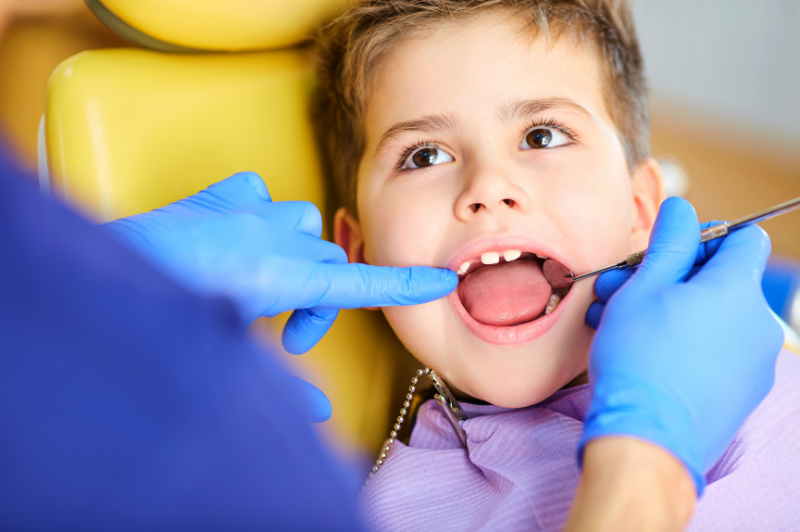
Teeth whitening in a dental office is the safest, fastest, and most effective method. Dentists know best how to safely whiten teeth and use professional products containing high concentrations of hydrogen peroxide or carbamide. This ensures that the whitening effect is clear and visible immediately after leaving the office. Furthermore, the dentist will professionally assess the patient's teeth. They will also help rule out any contraindications to the whitening procedure and safely remove any deposits from the enamel, preparing the teeth for the actual whitening process.
Fillings and veneers are resistant to whitening agents, and if they are in a visible location, they should be replaced with appropriately lighter ones. The dentist will also address this issue after teeth whitening. Dead teeth also cannot be whitened; they must be whitened gradually with a special solution. The dentist will also help you choose the best whitening method, tailored to your health and preferences. Is it worth choosing teeth whitening at a dentist ? Definitely yes, if you want complete safety and reliable whitening results.
Teeth whitening in beauty salons should be approached with great caution – in accordance with European Union Directive 2011/84/EU, beauticians are not authorized to perform teeth whitening using professional products containing up to 6% hydrogen peroxide. Will teeth whitening at a beauty salon damage the enamel ? Unfortunately, there is a risk, so it's better to see a dentist for this type of treatment.
What does teeth whitening look like at the dentist?
Based on preparations containing high concentrations of hydrogen peroxide or carbamide, dentists can offer patients several methods of professional and safe teeth whitening:
- chemical preparation + lamp / laser: the action of the whitening agent is accelerated by the energy emitted by a special lamp or laser (laser whitening takes less time than that with the use of a lamp). Some of the preparations used by dentists rely solely on a chemical reaction, with no additional radiation. Before whitening, the teeth are thoroughly cleaned of deposits. Then the dentist precisely protects the gums and the mouth of the patient with a cofferdam - a special rubber that protects the soft tissues of the oral cavity against irritation. The whitening preparation is applied to the teeth several times, and the entire procedure takes about 45 minutes - 1,5 hours (depending on the whitening method used).
- professional overlay whitening, under the supervision of a dentist: consists in the preparation of individual impressions of the patient's teeth by the dentist, on the basis of which splints (overlays) placed on the dental arches are made. Due to their perfect fit, they do not irritate the gums and do not affect the biomechanics of the temporomandibular joint. Together with the rails, the patient receives syringes from the dentist, filled with a whitening gel with a high concentration of hydrogen peroxide / carbamide. Thanks to individual instruction on the use and constant dental care, this method of teeth whitening is completely safe and effective.

Expert advises
After whitening, patients are recommended to follow the so-called "white diet" for about 2 weeks. During this time, I avoid coffee and all varieties of tea, coloring fruits and vegetables, e.g. beets or cherries, red wine and foods containing intense food colors. Tooth pain after whitening is described as temporary tooth hypersensitivity that lasts for up to 4 days after the procedure. It results from the high penetration of hydrogen peroxide deep into the tooth, which causes a slight irritation of the pulp. If necessary, the dentist may prescribe the patient remedies to alleviate unpleasant tooth sensitivity. The effect after teeth whitening in the dentist's office lasts from 1 to 3 years. It depends on the lifestyle and individual conditions of a given patient.
Contraindications to the teeth whitening procedure
- Pregnancy and breastfeeding;
- Age under 18;
- Recession and acute inflammation of the gums;
- Enamel erosion and high tooth sensitivity;
- Fixed braces - most dentists recommend waiting for teeth whitening about 1 month after removing the braces (or performing whitening before putting on the braces).
It is worth knowing that untreated carious cavities are a contraindication to teeth whitening - whitening preparations are irritating enough to irritate the tooth pulp and cause severe toothache after whitening (which may lead to the need for root canal treatment). Therefore, before starting whitening, all teeth should be healed.
Is teeth whitening harmful: a few words about the limit of safe whitening
Hydrogen peroxide and carbamide solutions only provide safe whitening effects up to a certain point. Beyond this point, the chemical agent stops oxidizing the colored chromatophores and begins to destroy the enamel structure, potentially causing irreversible damage to teeth. This is why it's so important to carefully follow the manufacturers' instructions for home whitening products.
Home whitening should be performed no more than twice a year, although this also depends on the manufacturer's recommendations. However, dental whitening should be performed no more than once a year. Is teeth whitening at the dentist worth it ? If you want complete safety and beautiful results, it's definitely worth it.
Author