




How to choose the first sandals for your baby?

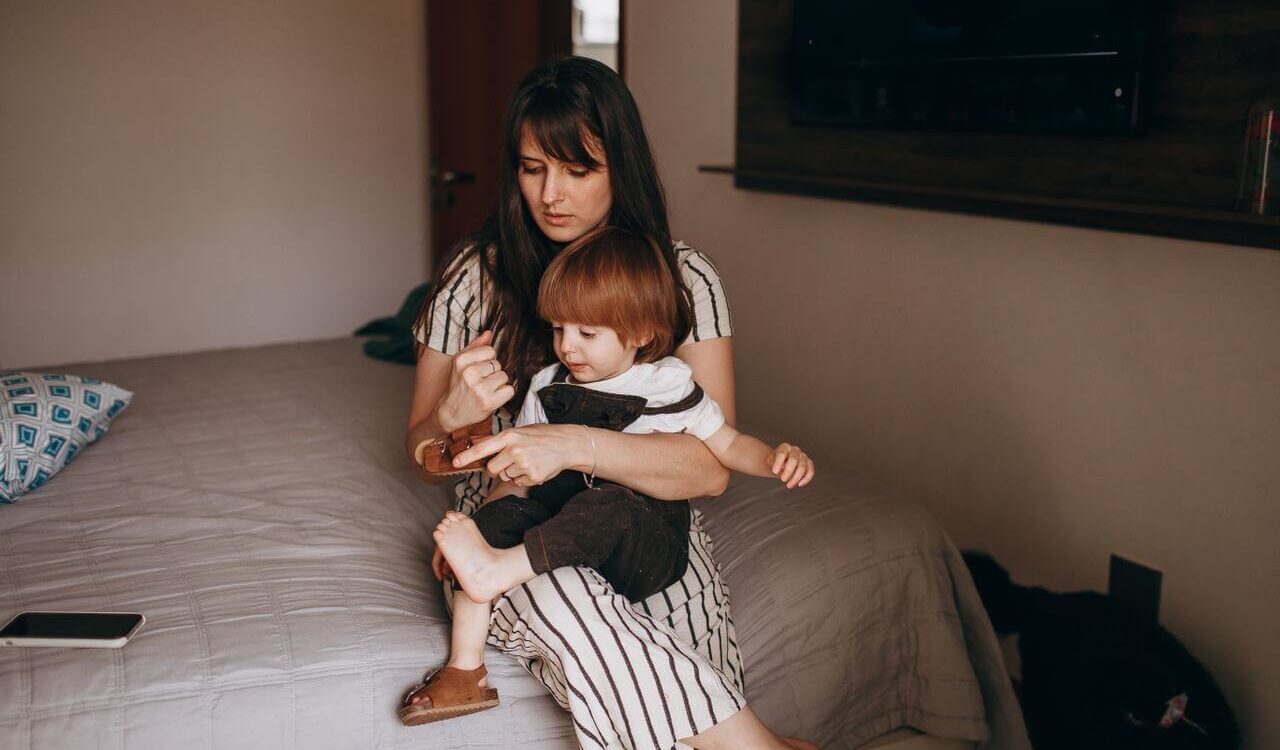
Summer is a time of greater freedom for little feet, but on the playground or during a walk in the park, children's feet need protection from sharp pebbles, hot ground, or accidentally stepping on a wasp or bee. Therefore, as warmer weather approaches, many parents begin to wonder how to choose sandals that are safe, comfortable, and won't disrupt the natural function of their little feet. If your child is just starting to walk independently, it's a good time to buy their first sandals – in this article, we'll show you how to choose them wisely and what to pay particular attention to.
When to buy your first sandals and why you shouldn't rush?
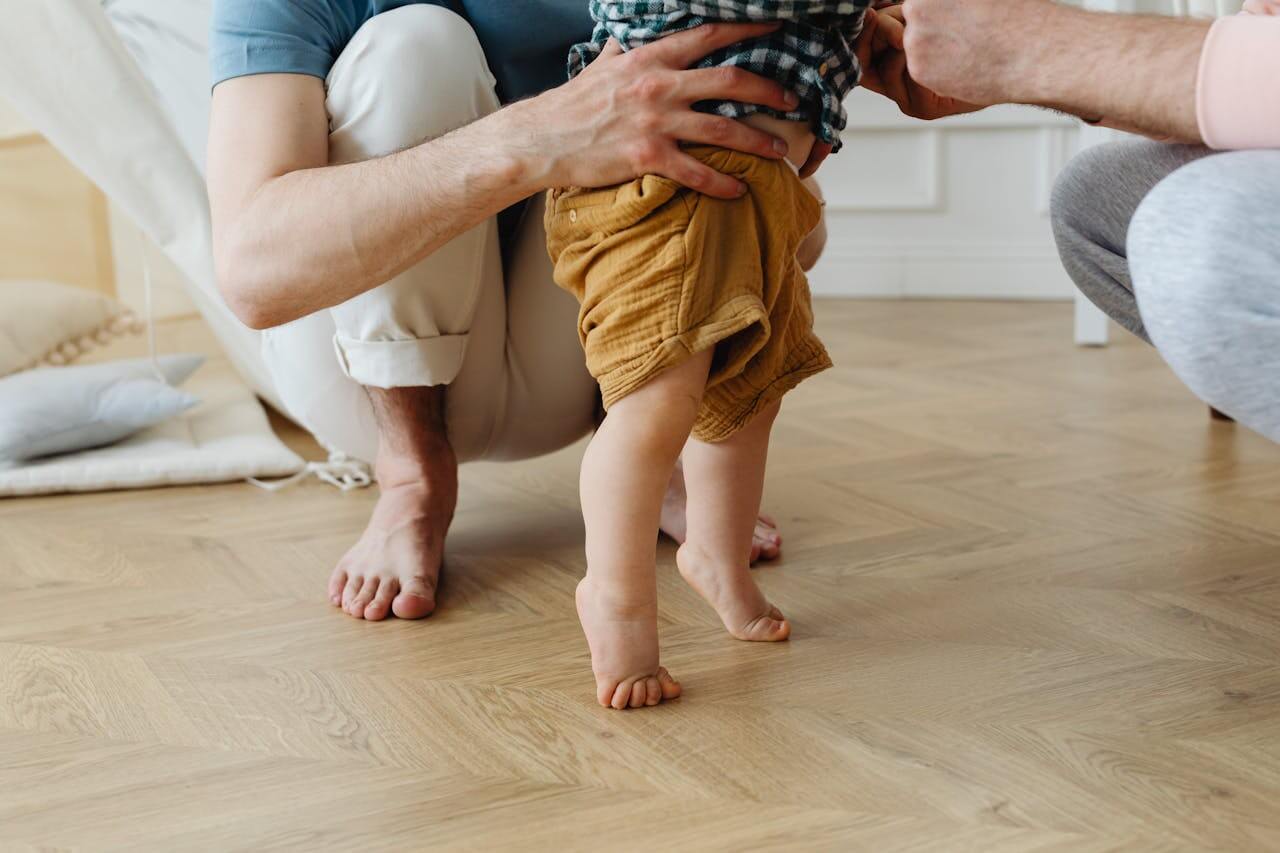
While learning to walk, the foot intensively "learns" the ground: the toes seek stability (often spreading very widely), the heel becomes accustomed to the load, and the short muscles of the foot begin to work more actively. Walking barefoot on a safe surface promotes proprioception , the body's ability to recognize its position in space. It is this information that gradually improves the child's balance, coordination, and confidence.
Therefore, the question of which sandals to choose for a one-year-old child should begin not with color, brand, or size, but with an observation: does the child actually use their feet to move independently ? If so, the first sandals for a child should primarily protect them from difficult surfaces , but not restrict the natural movement of the foot.
A good rule of thumb is: the less unnecessary stiffening and shaping in the shoe, the more work the toddler's foot can do on its own, which in a one- or one-and-a-half-year-old child is crucial for the development of proper arches.
How to choose sandals for your child? First, check the sole and insole.
Imagine a little one's first summer outing along a park path: so many things to discover, so many pebbles to examine, so many leaves to pick up. Now, suppose that instead of lightweight sandals, someone gives them shoes with soles as stiff as small boards. The foot can't bend freely, the toes don't work as they should, and each step becomes stiff and less natural . That's why, when choosing your child's first sandals, it's worth starting with a close inspection of the sole, as it determines whether the shoe will follow the movement of the little foot or restrict it.
Expert advises
Checking the sole's flexibility is essential: hold the shoe in your hand and assess its performance. The sole should bend easily in the front third, where the toes naturally bend during walking. It's best if it can also be bent in various directions (in a figure eight shape), rather than acting like the aforementioned "board." This is important because sandals for infants taking their first steps and for toddlers still perfecting their walking technique shouldn't force stiff, unnatural movement.


Why is "zero drop" not a fashion trend, but a necessity in sandals for babies and toddlers?
Another key term worth knowing when choosing sandals for your little one is "zero drop." In the context of shoes, this means a completely flat sole, with no heel lift.
Even the smallest heel or thickening of the sole under the heel shifts the child's center of gravity forward, which can negatively affect the position of the pelvis and the entire body posture when standing and walking.
How can you practically check if the sole in your child's first sandals is truly "zero drop"? The easiest way is to look at the shoe from the side and compare the thickness of the sole under the heel and toe . You can also place a small ball – for example, a rubber ball – inside the heel area. If, when you place the shoe on a flat surface, the ball visibly rolls toward the toes, it may suggest that the back of the shoe is slightly raised, even if it's difficult to notice at first glance.
The first sandals for a child and the insole: less profiling, more natural foot movement
It's natural for parents to be tempted by sandals with "orthopedic" insoles, which promise to support the healthy development of little feet. Sounds reasonable, right? The problem is that a healthy toddler's foot doesn't need a ready-made "scaffolding" in a shoe—it needs space, movement, and the ability to move independently . Therefore, the first sandals should have a completely flat insole, without a contoured arch.
Expert advises
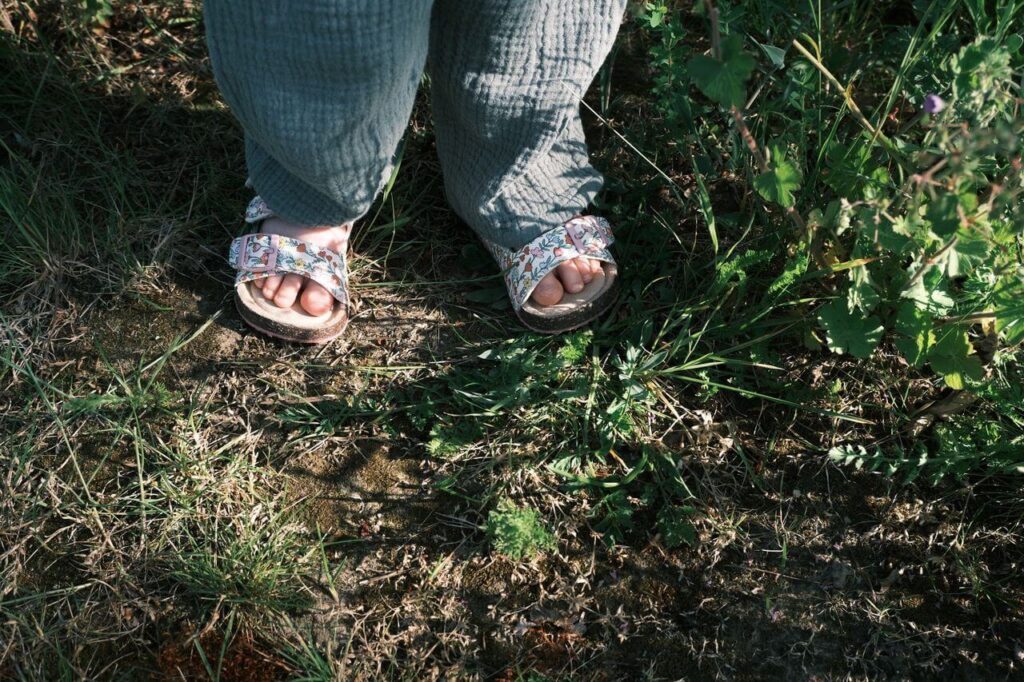
In infants and 1,5-year-olds, we often observe physiological flat feet, related in part to the presence of a so-called fatty layer, a natural "cushion" that protects the delicate structures of the foot. This isn't a defect that needs immediate support with an insole, but a natural stage of development. Therefore, sandals for infants taking their first steps or 1,5-year-olds usually don't require shaping unless otherwise recommended by a doctor, physiotherapist, or orthopedist.
When considering the healthiest sandals for a one-year-old, look for models that best mimic barefoot walking: with a flat, relatively thin insole, without noticeable bulges under the foot . It's best if the insole is made of skin-friendly, natural materials, such as genuine leather or cotton.
Heel and toe – sandals for a 1,5-year-old child under the microscope
Many parents ask whether a child's first sandals should have a stiff heel, but the answer is not clear.
Expert advises
The heel counter should be stable and closed to prevent the child's heel from rolling sideways, but it shouldn't be stiff as a cardboard box, so as not to restrict ankle movement. It's best if the first sandals end below the ankle, ensuring full ankle mobility. In summary: it's good if the heel counter in a child's first sandals is slightly stiffened, but moves freely under pressure and isn't completely rigid.
As for toes, for children who are still crawling frequently or are very active, it's worth choosing closed-toe baby sandals , which will protect their toes from injury. When considering which sandals to buy for a 1,5-year-old or older child, you can consider open-toe models, which are more breathable. It's also worth checking the toe box . It should be wide and rounded to allow the toes to move freely and the foot to move stably with each step.
The flexible sole and wide toe box, which doesn't squeeze little toes, work like a harmonious duo: the former allows the foot to roll, the latter gives the toes room to move freely, stabilize and push off the big toe.
How to choose the right size sandals for your child?
The final step is to carefully select the right size, as even the best quality first sandals for a child won't work if they're too small or too loose. How do you choose the right sandals?
Expert advises
The correct shoe allowance should be a minimum of 7 mm and a maximum of 12 mm (ideally around 10 mm), which allows for foot growth and movement. Shoe allowance is assessed when the foot is fully loaded, meaning the child is standing, not sitting.
Let's also remember the benefits of natural materials, such as leather or cotton, which allow little feet to breathe. These first sandals will be more comfortable to wear in hot weather.
Summary – your first sandals are a recipe for a healthy and comfortable summer
When choosing your child's first sandals, consider the flexibility of the sole, the lack of contouring in the insole , and the appropriate amount of room for foot growth . Now that you know how to choose sandals, choose models that are lightweight and made of breathable materials, with a wide toe box and a medium-firm heel counter.
Remember that baby sandals are an investment in their future posture, so it's worth taking the time to find the perfect model. It's best to try on several models, test their flexibility, and choose those that fit little feet best, not only in terms of length but also width.
Author