





Baby pillow? Reviews about the pillow with a hole and other products

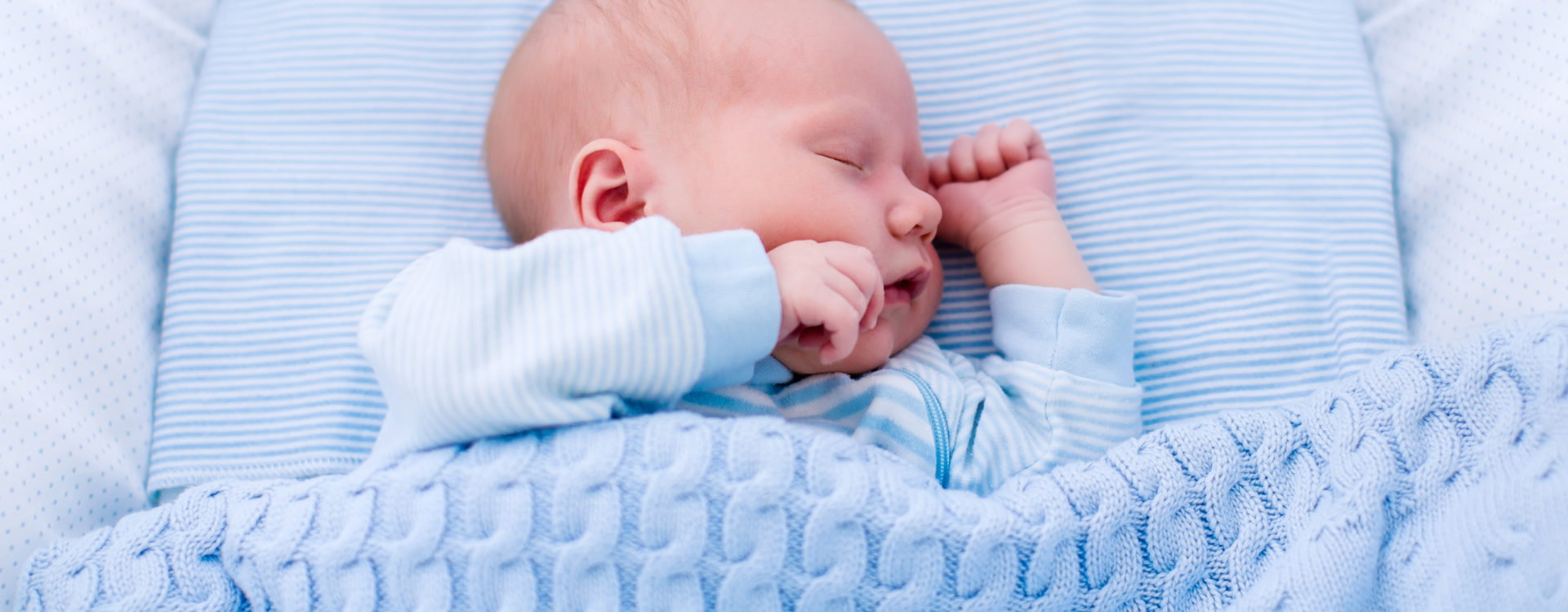
Which baby pillow should you choose? You can answer with one word: NONE! Therefore, there is no point in wondering how to choose a pillow for a baby, or what is the best one for him. Lying down without a pillow is simply the safest for a small child.
The market offers a multitude of products that serve as charming decorative accessories, even though they aren't necessary for a baby. Unfortunately, they can also prove dangerous. Furthermore, parents tend to perceive a newborn and their needs similarly to those of a teenager or adult, and from this perspective, they want to ensure their comfort, especially during sleep. Placing an infant in a crib with their head on a pillow, next to a teddy bear received from grandparents, and covering them with a duvet and blanket may seem like a sign of parental love and care, but it's not a safe solution.
Pillow and safety
An infant's motor skills are not as well developed as those of an adult. At this stage, a child cannot independently change position in the crib. If they do so involuntarily, for example, during sleep, there is a high probability that they will be unable to return to their starting position or adjust themselves in a different way, which can even pose a risk of suffocation. Therefore, as a precaution, it's worth limiting the number of items in a child's crib to a minimum. It's especially recommended to avoid pillows, stuffed animals, or extra blankets.
Watch out for SIDS
A significant number of SIDS cases occur in babies sleeping on pillows . SIDS is considered the leading cause of death in infants aged 3 to 6 months.
The presence of a pillow in a baby's crib is a significant risk factor, increasing the likelihood of SIDS. This also applies to specialized pillows, which are designed to prevent a baby from rolling over during sleep and protect against suffocation. Unfortunately, research shows that these products not only fail to perform their intended function but also pose an additional risk.
Expert advises
Instead of accumulating excess items, it is worth arranging the child not only to sleep, but also while awake, in various positions - on the back, on the tummy, on both sides, which will serve the proper development of his motor skills.


The pillow makes it difficult for the baby to move
When a baby lies down and tries to change body position, a pillow doesn't make it easier. While head or torso movement on a solid surface is possible, a pillow creates an additional obstacle for the baby, restricting their natural mobility. Adults sometimes find this hard to believe, especially when they themselves consider a pillow essential for lying or sleeping. However, infants have different muscle tone, and their developing motor coordination means they lack control over their own bodies. Overcoming gravity is particularly challenging for toddlers, and a pillow certainly won't help them with this.
Since when to use a pillow in a crib?
The question of which pillow to choose for a baby becomes relevant when our little one is no longer a baby. We can start thinking about a pillow when the baby turns one year old (as long as they are mobile and can independently change position to move away from the obstacle impeding their breathing).
It's best to choose a relatively flat pillow, without quilting or appliqués, and with a small amount of filling . If your child sleeps primarily on their stomach, the pillow should be soft; if on their back, it should be firmer and more flexible. Anatomical pillows that conform to the shape of the body are optimal for side sleeping .
Pillows available on the market. Opinions about the pillow with a hole and other products on the market
In shops you can find various "inventions" - wedges or rollers blocking the sleeping position, pillows "with a hole", intended to counteract the flattening of the head. Unfortunately, in most cases, not only do they fail to fulfill their function, but are harmful or even dangerous. Therefore, let's make sure that the child lies on a flat and hard surface - thanks to this, we will provide him not only with comfort, but also safety.
Special nursing pillows in the shape of a crescent or the letter C are also available – some have received positive reviews from the Institute of Mother and Child (IMiD ). However, they should be used as intended – only during feeding. Your baby should not sleep or lie on this type of pillow afterward. Before purchasing a pillow with a hole or other similar products, check the expert reviews and IMID product reviews.
What if I have a runny nose or reflux?
When a child is battling a cold or infection, it becomes harder for them to breathe, and with reflux, they struggle with regurgitation. It's important to remember to place the child on a flat, slightly sloping surface, with their head higher than their body. To achieve this, it's best to place a wedge under the mattress or raise the crib from the child's head side . Placing a pillow underneath brings the child's head closer to the chest, which poses an additional risk if they already have breathing or regurgitation problems.
Expert advises
From the point of view of a physiotherapist, pillows for children, especially infants, will fulfill two functions. Firstly, when the child is lying down, they can be used to secure the appropriate position, not necessarily the head, and secondly, they can be a tool for forcing the position. In both cases, we are dealing with therapeutic or prophylactic treatment, which must be ordered by a specialist and controlled by parents. The use of pillows for this purpose, however, affects a small group of children who require early intervention. For most toddlers, if parents decide to use a pillow, it would be advisable to consult, e.g. at the Institute of Mother and Child, about a given product, its suitability and safety.

Less is better
Newborns and infants spend most of their time in their own cribs during the first few months of their lives. When furnishing them, it's worth remembering that the fewer things there are, the better and safer it is for the little one. So what about the ever-popular layette sets, which include pillows and other accessories? There's no need to give them up; just be aware of your child's needs at a given stage of development and pay close attention to the quality of the products you buy – guaranteed by the positive opinion of the Institute of Mother and Child.
Author: Epozytywnaopinia.pl team
Author