


What to Pack on a Plane for Your Baby? 10 Ideas That Really Work for Travel

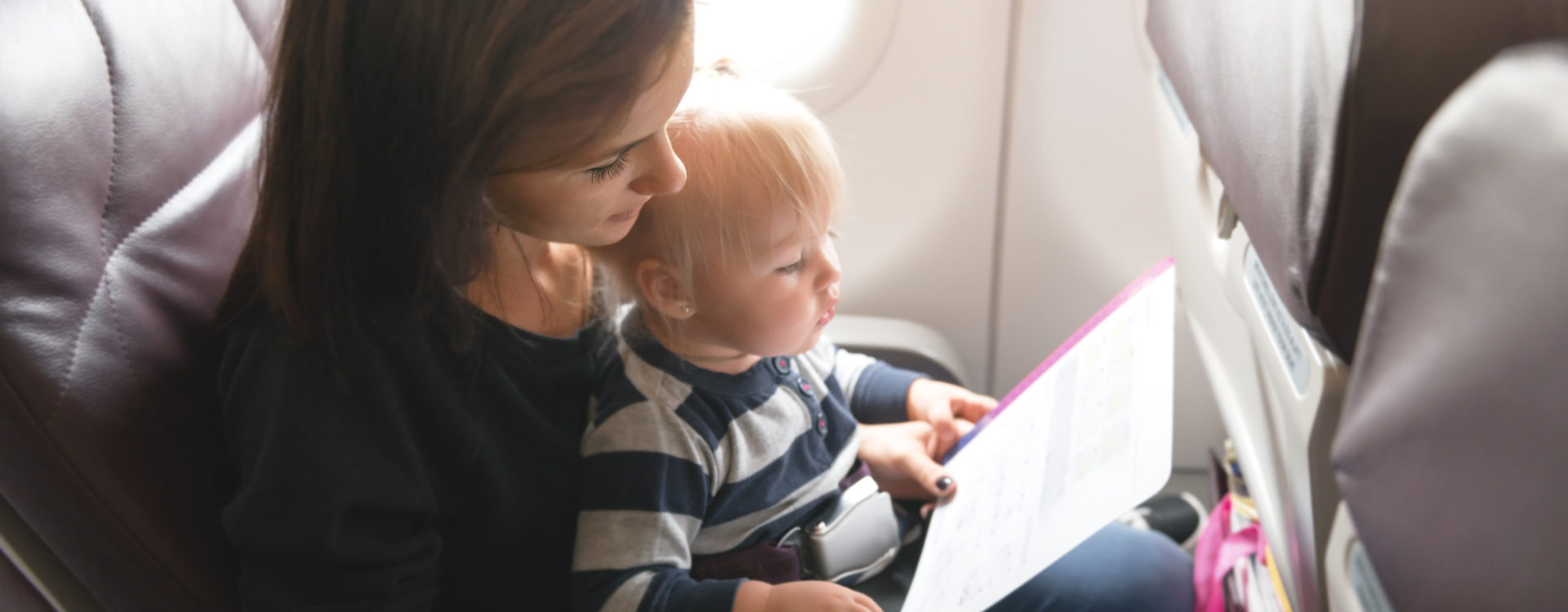
Flying with a child can rarely be planned down to the minute, but a well-packed carry-on can significantly reduce the number of difficult moments. Carefully selected children's airplane toys act a bit like a travel "boredom kit" – they don't guarantee silence throughout the flight, but they help occupy little hands, focus, and redirect a child's emotions when space is limited and the patience of parents and fellow passengers is often tested. In this article, we'll suggest what to bring on a plane for your child to ensure quiet, comfortable, and age-appropriate play. Here, you'll find the TOP 10 children's airplane gadgets, the pros and cons of each, and recommendations for children aged 0-3, 4-6, and older.
Airplane toys for children - what to consider when choosing?
Children's airplane toys have different rules than toys at home. The cabin is cramped, a bag of "activities" is under the seat, and a dropped crayon can disappear like a lonely sock in the washing machine – only with more drama in the background. That's why small, lightweight, quiet, and manageable items work best in the "lap-table-seat pocket" space . A well-prepared bag of activities doesn't have to be bursting at the seams. It should act more like a mini organizer: several activities, each in a separate bag, preferably pulled out one at a time, rather than the entire arsenal at once (a child will get lost in the abundance).
In this article we write more about what you can take in your hand luggage when flying with a child.
Small, light, quiet and engaging - the perfect airplane toy
A good airplane toy can be quickly removed, just as easily stowed away , and doesn't require an apologetic comment to fellow passengers. The melodies, loud clicking sounds, and flashing light effects may delight a particular child, but after an hour of flight, they can be a real test of patience for all passengers (parents included).
PRO TIP: If your little one is truly interested in these kinds of musical toys, it's worth choosing ones that can be connected to on-ear headphones (via cable or Bluetooth). This way, the joyful sounds of melodies or puzzles will be for the ears of your 2- or 3-year-old alone, not the entire crew.
Playing on the parent's lap, table or chair
Before packing a toy, ask yourself one question: will your child be able to play with it while wearing a seat belt? And even if a warning appears about temporarily unfastening the seat belt, will they be able to play with it while sitting in their own seat or on a parent's lap? If a given item requires a lot of space or has many parts that could cause a parent to constantly dive under the seat looking for a missing part, it's best to leave it at home. For a child, choose activities that fit on a small table, lap, or in their hands.
The same applies to messy toys: play dough, slime, classic paints or other attractions that easily stain hands, clothes or the surroundings; it is better to leave them at home while playing.

Several activities to alternate between instead of one large toy
One "sure-fire" toy rarely carries the entire load. A child may simply be bored after 30 minutes of play. A few small options are more effective: something to look at, something to stick, something to draw on, something to manipulate with their fingers. This gives parents a plan A, B, C, and D—without overloading their backpack.
Pack a few smaller, themed activity sets into clear zippered pouches or ziplock bags. They'll be easier to find in your bag, rotate during the flight, and pack and store away for later use after playtime.
A novelty works better than a toy you know by heart
A new book, a small figurine, a small doll, a toy car, a small teddy bear, a coloring book, or a simple puzzle game packed in a small box can buy a parent precious peace and quiet during a flight. It's not about major pre-flight purchases, but rather two or three small surprises revealed only on the plane. It's safest to choose new items from categories the child already likes – then the freshness effect works to the parent's advantage and is unlikely to end in disappointment.
The Best Kids' Airplane Toys - Our Top 10 Picks
The list below is a collection of tried-and-true activities that are well-suited to the realities of air travel. Each option includes key pros and cons to help you choose a toy that's right for your child's age, temperament, and current interests.
1. Water coloring pages – a toy for the airplane without stains and mess.
Water-based coloring books give children the effect of "painting," but without the need for paint, a cup of water, and the risk of an artistic disaster on their clothes, table, or chair . Children use a special marker filled with water, and once the page dries, the coloring book can usually be reused, allowing for repeated use. This is a good airplane toy for children as young as one, but it's also perfect for children as young as three. The marker can be filled with water at home and packed in a sealed ziplock bag (changes in air pressure on the plane can cause it to leak in the bag).
✔️ Pros: it doesn't get dirty like paint, takes up little space, works silently, you can go back to the same pages and color them many times.
➖ Cons: the pen needs to be filled with water, a one-year-old child may slightly wet the table or clothes, older children may quickly find it too simple and boring.
2. Sticker books – simple airplane gadgets for kids who like to work with their hands
There's something about stickers that appeals to children: they can select, peel, stick, adjust, and stick again – all quietly and in a small space . Large stickers and simple boards work best for a 2-year-old, while older children can choose themed books, such as those featuring vehicles, animals, airports, maps, or puzzles and more challenging activities tailored to their age and interests. If you're choosing airplane toys for a 2- or 3-year-old, reusable stickers are often a safer choice than small, disposable sets.
✔️ Pros: light, cheap, easy to pack, and will keep small hands occupied for a long time.
➖ Cons: Stickers can stick where they shouldn't, leaving glue marks; younger children (e.g. 2-year-olds) often need help removing them, which means constant parental assistance.

3. Magnetic books – airplane toys for 3-year-olds and older preschoolers
Magnetic books are more portable than traditional puzzles because the pieces stick to the board better and don't scatter so easily . Children can create stories, dress up characters, and create vehicles or animals. This is a good choice if you're looking for a plane toy for a child who enjoys storytelling, matching, and influencing the creation of the picture.
✔️ Pros: quiet, creative, reusable, good for playing on the table.
➖ Cons: magnets can still fall under the seat; magnetic books often take up a lot of space in a backpack; a younger child may scatter the elements rather than arrange them on the board (which is why magnetic books are not suitable as airplane toys for a baby).

4. Mini magnetic blocks in a box – a creative toy for the plane, but only in the travel version
Mini magnetic blocks can be a great way to entertain a child who enjoys building, but on a plane, the rule of thumb is: the smaller and more securely sealed the set, the better . Travel boxes are the most practical, as they immediately function as a container and a play surface. This is more suitable for preschoolers and schoolchildren than for children who still put small pieces in their mouths.
If you are looking for a plane toy for a baby or 2-year-old, magnetic blocks are not the best choice yet.
✔️ Pros: They engage creativity, allow for the construction of various structures, and can keep a child occupied beyond a single task. If you bring several small figurines, a child can build a house, a street, or a mini-garage for them on their table.
➖ Cons: elements may fall; a set that is too large makes a mess; with younger children, you need to be careful about safety (risk of swallowing and choking).
5. A new small figurine, car or doll – a new take on familiar fun
Sometimes the best airplane toy isn't the most educational, but rather the one that best suits a child's current interest level. If a toddler loves cars or trains, a small new vehicle might work better than a fancy game or blocks. If they like animals, dolls, or teddy bears, a dog figurine, a small doll, or a mini-plush dinosaur can bring a whole story to life on the table. It's important that the toy is small, without a lot of accessories, and aligned with the child's true interests, not with what adults consider attractive "for travel."
✔️ Pros: emotionally attractive, small, easy to use in symbolic play.
➖ Cons: Smaller figures or vehicles can be easily lost if the toy falls into a hard-to-reach place; a child may want the "whole set" of cars/figures that they left at home.

6. Small books with windows and moving parts – calm airplane toys for one-year-olds and infants
With young children, books often work best when the parent reads, shows, asks questions, and makes a small shared activity out of them . Small books with flaps, sliding elements, textures, or simple pictures work well. If you're packing toys for a one-year-old or infant, it's better to take three or four small books than one large, heavy hardcover.
✔️ Pros: quiet, close, good for a moment of tiredness, does not require a table.
➖ Cons: windows can suffer in the hands of a very energetic one-year-old; board books can be heavy; copies known by heart can quickly lose their charm.
7. Soft educational book with Velcro or snaps - a toy airplane for a baby
A soft, Montessori-style sensory book with Velcro, snaps, zippers, and matching elements perfectly meets the needs of young children: touch, pull, unclip, attach, and check again. This is one of the safer options when looking for a toy airplane for a baby or one-year-old who enjoys playing best on a parent's lap.
It is best to choose models in which the moving parts are large (less risk of swallowing) and can be attached, detached, and connected in various ways.
✔️ Pros: soft, quiet, good for playing on your lap, supports fine motor skills.
➖ Cons: may take up more space than a thin book; Velcro elements can be tempting to put in the mouth.
8. Graphics tablet for drawing – a lightweight airplane gadget for 3-year-olds and older children
A graphics tablet is a small drawing and writing board that doesn't require internet access, apps, or paper . It's perfect for children who enjoy drawing, practicing their letters, playing tic-tac-toe, creating mazes, or playing charades with their parents. It's one of those airplane gadgets for kids that takes up little space yet offers a wealth of possibilities. It's perfect for a 3-year-old, but especially for a preschooler or schoolchild who loves to draw.
✔️ Pros: inexpensive, thin, light, reusable, quiet, does not create paper mess.
➖ Cons: the drawing can be accidentally erased; the stylus is easy to lose; younger children may expect it to work like a classic storybook tablet.
9. Puzzles, tangrams and mini travel games – airplane toys for older children
Older children often need more than just hands-on time, but tasks with a goal: to solve, find, arrange, and complete a level. Thin books with puzzles, mazes, picture Sudoku, detective tasks, or small logic games in a lockable box work well. The level of difficulty should be tailored to the child, not the adult's ambitions – frustration mounts faster on an airplane than on a living room carpet.
✔️ Pros: quiet, cognitively engaging, give satisfaction after solving, can occupy the child for longer.
➖ Cons: too difficult tasks quickly discourage; game elements may get lost; a tired child may not feel like making an intellectual effort.
10. Audiobooks, Albik, YOTO, TIMIO, ALILO or Tigerbox – sound gadgets for the plane for children
An audiobook can be a great travel companion, especially when a child is tired of looking at books, drawing, or constantly changing activities. It's also a great alternative to a classic storybook tablet . A media player, audiobook cards, or an interactive book with a talking pen can keep a child occupied for long periods of time, but on a plane, there's one simple rule: audio only through headphones.
It's best to test them at home first, because some children don't accept wearing headphones, even if the story is the most interesting in the world.
✔️ Pros: can be calming, does not require a table, works well for fatigue, gives rest to the eyes.
➖ Cons: The equipment needs to be charged; headphones can be distracting for the child; the number of audiobook cards may be limited; these types of players can be expensive; the sound played without headphones will be disruptive to those around them. These types of airplane toys are best for children aged 3 and older.
How many gadgets should you take on a plane for your child?
For air travel, several small activities are better than one large airplane toy that we expect to keep our child occupied throughout the flight. For a shorter flight, 4-6 options are usually enough, such as a book, stickers, something to draw, a small figurine, and one more sedate activity for when they're tired. For longer flights, layovers, or travel during times when children tend to be more fussy, it's a good idea to expand this set with a few extra items and a few favorite, non-messy snacks , which can be just as entertaining as the best toys.
However, it's not the sheer number that matters, but the rotation. It's best to take out children's airplane gadgets gradually, one at a time, before the child has seen the entire contents of the backpack and assumes they know everything.
For example, you can ask an older child if they prefer something to do with folding, coloring, or reading, giving them a choice. It's also worth considering their child's temperament : one child might draw quietly for half an hour, while another might need a change of stimulus, a hand movement, or parental involvement after five minutes. Therefore, when packing for a child, think about a small set of scenarios rather than the ideal number of toys.

Summary: A good airplane toy helps, but it doesn't have to "save" the entire trip.
Well-chosen airplane toys can be a huge help in surviving the journey, but they don't have to be the answer. Flying is a highly stimulating experience for a child: new places, noise, smells, seat belts, limited movement, waiting, and fatigue. It's no wonder your little one might fidget, whine, protest loudly, or simply get tired of sitting in one place.
This isn't a parental failure – it's a normal part of traveling with a child, especially a baby or a 2-year-old who "wants everything."
Therefore, in addition to various gadgets for children on the plane, it's a good idea to have a few episodes of a cartoon, appropriate for the child's age, downloaded to your phone or tablet, preferably with headphones tested at home. Even if you usually limit screens, on a long flight, when all the toys you've brought get bored, such a backup plan can save the parent, the passengers, and the child themselves . Instead of growing frustrated, they get a moment of respite with an interesting cartoon. And remember: it might be a bit noisy, it might be a bit messy, there might be a moment of crisis, and yet you can truly return from that flight with fond memories.


