


Muslin or cloth diapers? Which to choose, how many to buy, and where to find good products?

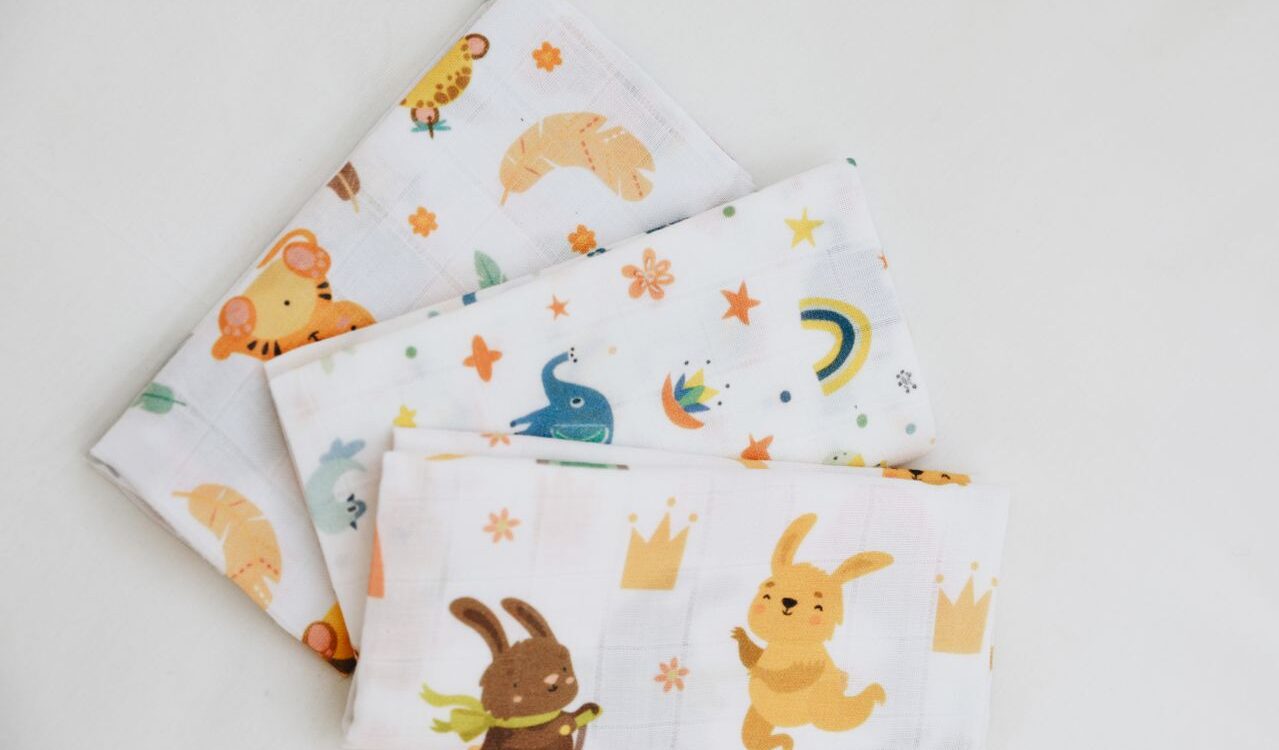
Cloth, muslin, and bamboo diapers are among those layette items that truly accompany parents every day: during feeding, burping, changing, in the stroller bag, and during first visits outside the home. But which ones should you choose so you don't buy too many, too few, or end up with a material that completely fails to meet your expectations – rough from the start or losing its shape and softness after a few washes? In this article, we'll compare the differences between muslin and cloth diapers, when bamboo diapers are better, how many diapers are worth starting with, how to wash them safely, and where to buy ones that are practical, durable, and gentle on baby's skin. This will make it easier to put together a layette or choose a baby shower gift for a boy or girl that is not only aesthetically pleasing but above all, practical.
Muslin, cloth, or bamboo diapers? How to choose?
Cloth diapers, colloquially called "slurpers" by many parents, aren't an overrated layette accessory. They're one of those small items that can come in handy dozens of times a day in everyday life with a newborn or infant : when burping after feeding, when pouring, on the changing table at the clinic, while playing on a play mat, or on a walk when you need to cover your baby with something thin and breathable.
That's why a diaper shouldn't just be pretty. It should be soft to the baby's skin, absorb moisture well, dry quickly, and withstand frequent washing, even at higher temperatures if the manufacturer allows this type of care. When a diaper is regularly used to wipe away milk, saliva, or spills, it's easy to understand why material durability is so important.
Three types of cloth diapers are most commonly found in layettes: terry cloth, muslin, and bamboo . They differ in weave, softness, absorbency, resistance to frequent use, and how they perform after washing. Therefore, the question of whether to choose muslin or terry cloth diapers is a very valid one for parents who are assembling a layette for their first child and want to buy items that will actually be useful.
Cloth diapers: practical, quick-drying and resistant to the demanding everyday life with a baby
Cloth diapers are usually made of cotton with a relatively loose, airy weave . Their biggest advantage is practicality: they are lightweight, dry quickly, withstand frequent washing, and usually cost less than muslin or bamboo diapers.
Parents appreciate cloth diapers because they can always have a few on hand without feeling like every stain means they're wasting their "prettiest" diaper. Cloth diapers are a good choice for intensive, everyday use , especially if the diaper will often end up in the laundry basket. Contrary to popular belief, cloth diapers don't have to be exclusively white and unattractive – multi-colored models are also available, matching the color scheme of a boy or girl's layette, or in neutral patterns.
A downside to cotton is that it tends to be less soft, especially with cheaper products or after many washes. If the diaper will frequently touch a newborn's cheek, neck, or hand, it's a good idea to check its weight and cotton quality before purchasing.
Muslin diapers: soft, aesthetic and perfect as a gift
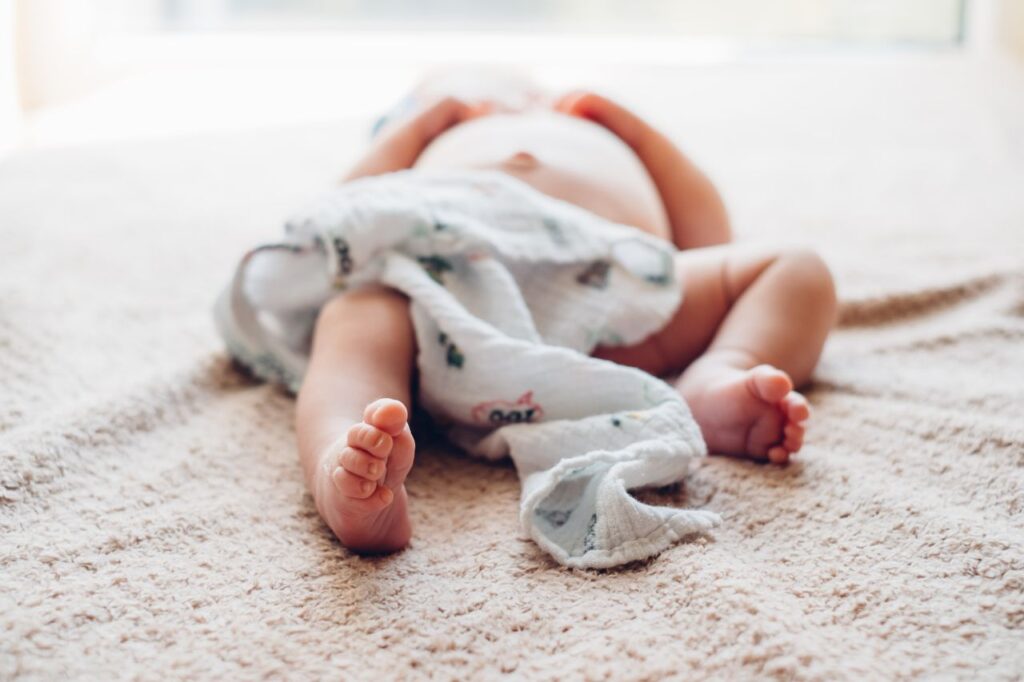
Muslin diapers are also most often made of cotton , but have a more delicate, softer, and slightly elastic weave . They are pleasant to the touch, fit well against the baby's body, and often look more elegant than classic cloth. This is why muslin is often chosen as a gift, regardless of whether someone is looking for diapers for a boy, a girl, or in calm, neutral colors.
When parents ask which diapers to choose for everyday contact with their baby's skin, muslin often proves to be a good compromise between practicality and softness of the material.
Cloth or muslin diapers? Muslin diapers' slightly higher price and greater susceptibility to loss of softness if the fabric isn't washed or dried according to the manufacturer's recommendations may be a limitation. Therefore, when purchasing, it's a good idea to check not only the pattern but also the composition, weight, and care instructions, meaning you'll immediately know how to wash your muslin diapers to maintain their properties.
Cloth or Bamboo Diapers? Gentleness vs. Durability
Bamboo diapers are typically made from bamboo viscose or blends, such as cotton. They are soft, smooth, and pleasantly flowing to the touch.
When comparing cloth and bamboo diapers, cloth often wins in everyday use : it dries faster and usually holds up better to frequent washing. Bamboo is softer and gentler to the touch , but in many cases requires more careful care, such as washing at 30-40°C. However, similar recommendations may also apply to some cloth or muslin diapers, so the manufacturer's washing instructions should always be the final reference point.
In practice, the question of cloth or bamboo diapers is best answered without a layette duel of the century: cloth for everyday tasks, bamboo as a soft and beautiful addition to the layette. However, when a baby has particularly delicate, irritation-prone skin, parents sometimes choose to replace cloth diapers exclusively with muslin or bamboo.
Which diapers should you choose so that the material is safe for your baby's skin?
When choosing diapers for a baby, it's not enough to check whether the material is described as natural, soft, or breathable. Textiles that frequently come into contact with a baby's skin should have clear composition, care instructions, and reliable safety markings.
The OEKO-TEX STANDARD 100 certificate is particularly helpful , and for products for the youngest, it's best to look for information on Product Class I , which covers textiles intended for babies and toddlers. For organic cotton, the GOTS certificate can be a valuable guide , but the "organic" declaration on the packaging alone shouldn't replace checking what the certification covers.
Before purchasing, please check:
- material composition — e.g. cotton, bamboo viscose, fiber blend, no polyester!
- certificates;
- washing recommendations — too demanding care can quickly discourage use;
- quality of finish — hems, seams, labels and prints should not irritate the skin;
- size and weight — thinner diapers dry faster, thicker ones can be more absorbent and durable.
A cloth diaper should have its composition clearly stated, without generalities like "premium material" or "natural fabric," but without further explanation. This is especially important when parents are wondering which diapers to choose for a layette—tetra, bamboo, or perhaps muslin—and whether the higher price is actually due to the quality of the material and not solely to an attractive design "for boys" or specifically "for girls."

Where to buy diapers and how many diapers should I prepare for the start?
Baby diapers can be purchased in children's stores, baby clothing stores, and online. If this is your first layette and you're still unsure where to buy diapers that will truly meet your expectations, a good solution is to first look at a few models in-store.
The feel of the material, the thickness of the fabric, the quality of the stitching and the elasticity of the diaper often say more than the product description on the internet.
Where to buy diapers when it's hard to decide based on photos?
Shopping in-store is especially helpful when you're comparing different sizes and want to check if the diaper is too stiff, slippery, or poorly finished. It's also easier to assess whether the fabric fits well in your hand, doesn't create thick, hard creases, and will be comfortable for everyday use around your baby.
Once you know which material and size of diaper suits you best, you can easily purchase a larger set online . Online stores make it easier to compare prices, sets, and available colors: for boys, girls, or neutral. When purchasing, you still need to be vigilant: check the composition, dimensions, care instructions, and material certification information. This is especially important if you're buying diapers as a gift and want to choose something beautiful, but above all, durable and safe for your child.
How many diapers should you buy to avoid overdoing it?
To start, a total of about 10-15 cloth diapers is usually enough , as they'll be used for feeding, burping, changing, and on walks. This number allows you to rotate diapers between uses, washing, and drying, without creating a stash that might become too large or inappropriate after a few weeks.
A good starting point for considering how many diapers to buy is a mixed set:
- 6–8 cloth diapers for frequent, everyday use;
- 4–7 muslin or bamboo diaperswhen you want greater softness and aesthetics;
A larger number is useful if the baby often spills, parents plan to do laundry less frequently, or diapers will be used regularly outside the home. A smaller set may be sufficient if the home has a tumble dryer, laundry is done regularly, and other textiles, such as towels, changing pads, or bibs, take over some of the functions. How many cloth diapers should you buy for a layette?
There is no single ideal number of diapers for every family, so it is better to leave room to buy more after the birth than to build up a large supply before the birth "just in case."
How many diapers should I buy as a gift?
If the diapers are intended as a baby shower gift or as part of a larger layette, a set of 3-5 is the safest option . This quantity has real utility value, but doesn't force parents to have a large supply of one specific type or design of diapers.

Neutral colors, calm patterns , and sizes that are easy to use for a variety of occasions are best for gifts . However, purchasing muslin or bamboo diapers in colors dedicated to "boys" or "girls" is an equally good idea, especially if the baby's gender will be the main theme of the baby shower . It's best to avoid diapers that are highly decorative but not very practical, such as those with rich embroidery. Such applications can be rough on the baby's skin, difficult to iron, or require more careful washing than standard everyday diapers.
How to wash cloth, muslin and bamboo diapers?
New diapers should be washed thoroughly before first use , even if they're wrapped and appear perfectly clean (though if you're giving diapers as a gift, it's best to leave them unwashed and in their original packaging). The fabric has been through the manufacturing, packaging, and shipping processes, and will later touch your baby's skin, face, hands, and clothes. The first wash also helps you assess how the material reacts to water: whether it shrinks significantly, softens, and whether the diaper retains its shape.
If you want to properly wash cloth or bamboo diapers, check the label!
Wondering how to wash cloth or muslin diapers? It's safest to follow the manufacturer's label , as cloth, muslin, and bamboo diapers may have different requirements. Cloth typically tolerates more frequent washing, while muslin and bamboo typically require a gentler cycle, lower temperature, or more careful drying, such as tumble drying, though this isn't a hard and fast rule.
If you're wondering how to wash diapers, follow a simple rule: hygiene is paramount, so for everyday, intensive use, choose a material that the manufacturer recommends for washing at a higher temperature. It's best to save models that require more gentle care for situations where they won't be exposed to frequent soiling and repeated washing in a short period of time.
Once you know from the product label how to wash cloth or muslin diapers, the next important question is: what should they be washed in to prevent irritation to baby's skin? It's best to choose detergents suitable for baby clothes or sensitive skin, without strong fragrances. It's best to choose laundry detergents and liquids whose effectiveness and safety have been confirmed by a positive opinion from experts at the Institute of Mother and Child : you can find them here.
When washing cloth diapers, avoid excessive use of fabric softeners, as they can settle on the fibers and reduce the material's absorbency . Diapers should be thoroughly dried after washing, especially if they were used for pouring, feeding, or changing.
Summary: which diapers should you choose for your layette?
The most sensible choice to start with is usually a mixed set, which allows you to determine what works best for your family: tetra for frequent and very intensive use, muslin for added softness, or bamboo fabric, which is the most delicate but often a bit more demanding to care for . When buying cloth diapers, pay attention to the composition, quality certificates, washing instructions, and quality of the finish, as these will be most important in everyday use and washing. Initially, 10-15 diapers are usually enough, and after the birth, it's easy to buy the type of diaper that best suits your daily baby care needs.
FAQ
Muslin or cloth diapers – which are better for newborns?
There's no single answer for every baby. Cloth diapers are more practical and quick-drying, while muslin diapers are usually softer and more comfortable against the skin.
Cloth or bamboo diapers – what to choose to start with?
It's best to start with more cloth diapers, as they can withstand heavy use. Bamboo diapers can be a good addition to a layette if you want an exceptionally soft material, although good quality cloth diapers can also be truly pleasant to the touch.
How many diapers should you buy before giving birth?
Typically, a total of about 10–15 cloth diapers is enough. This set allows you to test which diapers are most comfortable for everyday use.
Where to buy baby diapers?
You can buy them in stores specializing in children's clothing or online. When making your first purchase, it's a good idea to see a few models in person, and then buy a larger set of diapers made from selected materials online.
How to wash muslin, cloth and bamboo diapers?
Always follow the manufacturer's label. Tetra fabrics typically withstand frequent washing better, while muslin and bamboo may require a more gentle cycle and more careful drying.


