




Can a baby sleep with a pacifier?

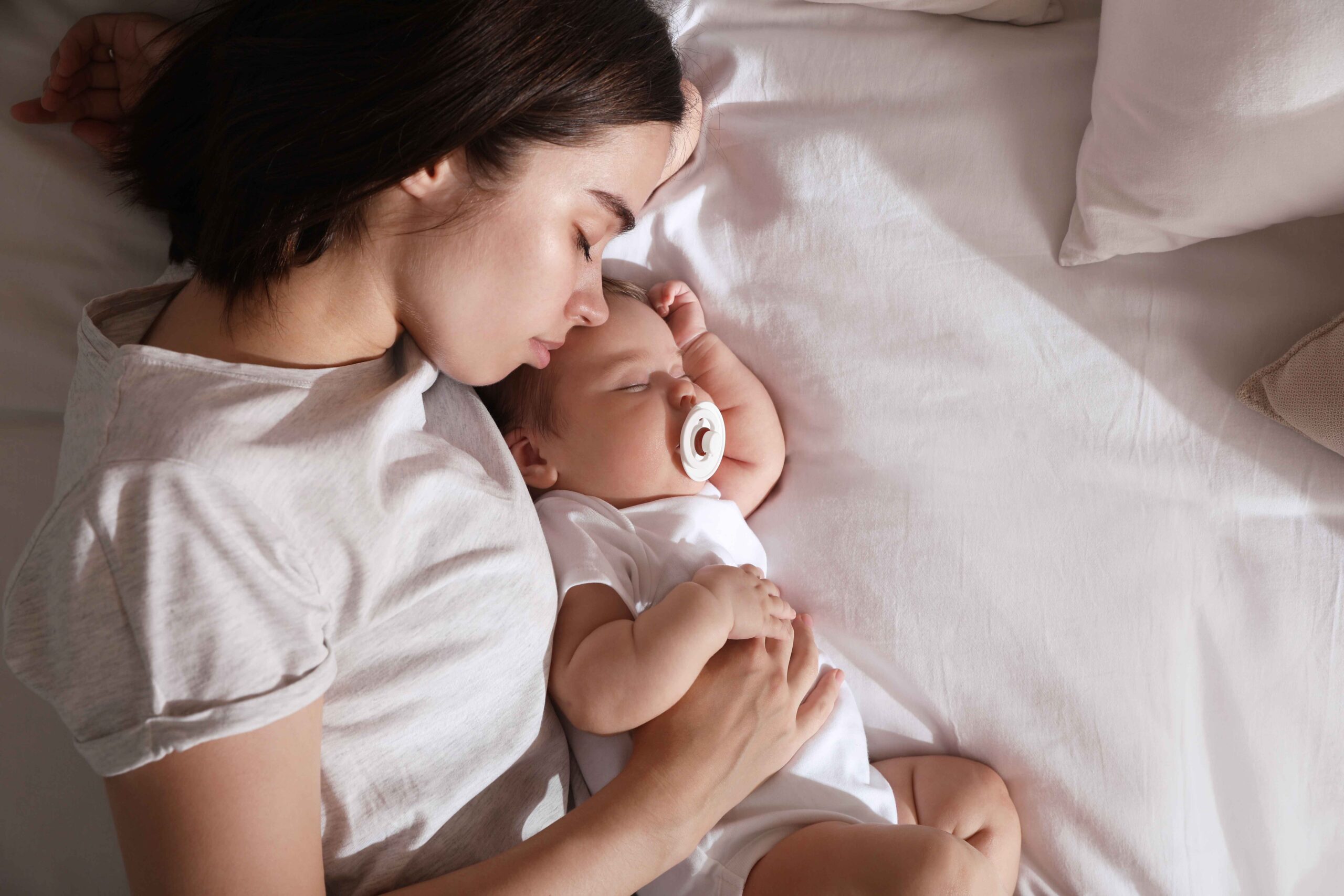
A pacifier and giving it to a child is a topic that is both interesting and controversial for parents. After weighing all the pros and cons of introducing a pacifier to a baby, it's time to ask: can a baby sleep with a pacifier?
And what about the period immediately after birth - can a newborn sleep with a pacifier, and if so, from when exactly? Can a baby sleep with a dummy when exclusively breastfed? What should you pay special attention to when letting your baby sleep with a pacifier?
Can a newborn sleep with a pacifier, if breastfed?
A newborn baby is a baby in the first month of life, exactly until the baby turns 28 days old. Can a newborn sleep with a pacifier or are there any contraindications?
First of all, it is worth mentioning that according to the guidelines of the WHO and the Polish Society of Gastroenterology, Hepatology and Child Nutrition, breastfeeding is the most recommended way of feeding infants.
What does breastfeeding have to do with the question of whether a newborn can sleep with a pacifier? It turns out, a lot. The sucking reflex, or rather the need to suck, in a newborn is very strong. Nature didn't invent this without reason, because a strong need to suck at the breast perfectly stimulates lactation.
Expert advises
It is only after about 4-6 weeks that milk production in a nursing mother enters the stabilization phase, and the amount of milk begins to be closely matched to the needs of the infant.


Can a newborn sleep with a pacifier?if you want to exclusively breastfeed your baby?
To avoid disrupting a baby's natural need to breastfeed and thus negatively impacting a mother's milk production, Certified Lactation Consultants (CDLs), midwives, and pediatricians generally do not recommend giving newborns a pacifier at all, even for sleeping. Can an exclusively breastfed newborn sleep with a pacifier, and if so, when?
Expert advises
Before giving the baby a pacifier, it is recommended to wait at least 4-6 weeks after birth, when lactation begins to stabilize. If a nursing mother experiences any problems with lactation, or a woman feels exhausted by the fact that the newborn constantly wants to be at the breast, it is worth seeking advice from a midwife or CDL.
Can a newborn sleep with a pacifier?if he is only bottle-fed?
If, for some reason, a mother is unable to breastfeed her baby or gives her expressed milk from a bottle, the question arises: can a newborn sleep with a pacifier? In bottle-fed babies, the intense need to suck cannot be compensated by prolonged sucking at the mother's breast. So, can a bottle-fed newborn sleep with a pacifier?
There are no contraindications to sleeping with a dummy, because in this case there is no risk of disturbing the baby's sucking reflex. Sucking a dummy in such a situation also does not have a negative impact on lactation in a nursing mother.
Can a newborn sleep with a pacifier? from day one?
Expert advises
Certainly, the pacifier must be treated with reason, both during the day, during naps, and at night. In the case of bottle-fed or breast-fed babies, a pacifier should not be used as a way to delay bedtime stones, but should be used in the so-called. crisis situations, when no other ways to soothe and put the newborn to sleep fail.
Can an infant sleep with a pacifier: how to approach the topic wisely?
A baby can sleep with a pacifier, whether bottle-fed or breastfed. However, it's worth remembering a few basic rules. The first answer to the question of whether a baby can sleep with a pacifier should always be common sense, moderation, and parental intuition.
There are no contraindications for an infant to sleep with a dummy, and the dummy must not be used to drown out crying, and thus the physical and emotional needs of the child.
A pacifier at night shouldn't be a substitute for, say, feeding or a parent cuddling a crying baby. Can a baby sleep with a pacifier? If no other way to get a baby to sleep works, a pacifier can help tired parents and the baby. Sucking on a pacifier not only satisfies a baby's need to suck but also reduces stress and has a calming effect.
Recommended products



Senior specialist in the Department of Assessment and Cooperation Development, Institute of Mother and Child
Can an infant sleep with a pacifier? all night?
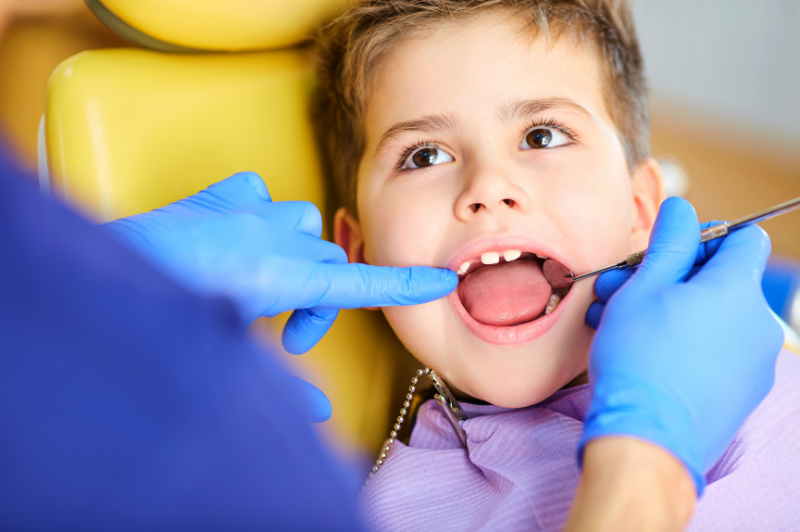
Remember that sucking on a pacifier too often and for too long contributes to malocclusion , so overnight pacifier use in infants and children is not recommended. If your little one spits out the pacifier and is sleeping soundly, do not put it back in their mouth. Alternatively, once your child has fallen asleep, you can try gently removing the pacifier from their mouth.
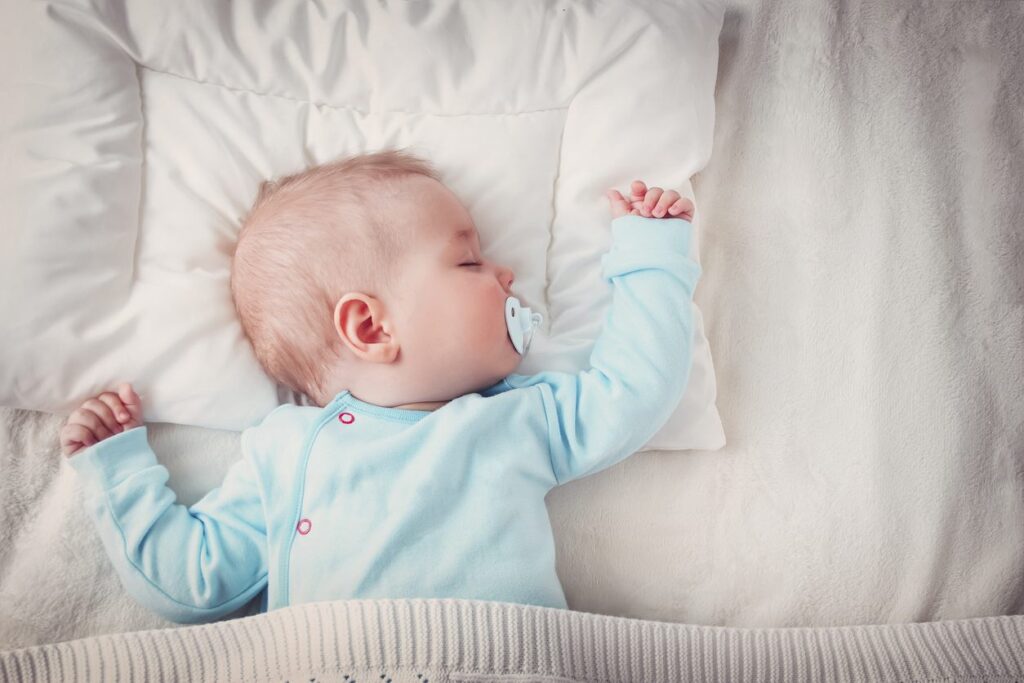
In summary, can a baby sleep with a pacifier? From the very beginning, whenever possible, it's best to use a pacifier solely for napping and nighttime sleep.
Orthodontists and dentists recommend giving up the pacifier completely by the age of 12-18 months.
Can a baby sleep with a pacifier: What to pay special attention to?
We choose a pacifier adequately to the age and needs of the child
A teat that is too small poses a swallowing risk. In turn, the lack of proper ventilation of the shield around the pacifier may contribute to the development of skin problems around the mouth of the baby.
Pacifier with a pendant
Can a baby sleep with a pacifier attached to the crib frame or a cloth diaper to prevent it from getting lost during the night? Experts warn against tying pacifiers to anything. During sleep, a baby can accidentally become entangled in such a string, cloth, or pendant, which, in the worst-case scenario, can even result in strangulation.
The pacifier recommended by specialists is this one: one-piece, without a pendant and without any other fastening.
We take care of proper teat hygiene
Daily cleaning, sterilization, and frequent replacement of the pacifier are essential. When wondering whether a child should sleep with a pacifier that has fallen on the floor, it's worth remembering that licking the pacifier isn't a way to "disinfect" it. Such behavior can result in tooth decay or other infections.
Under no circumstances do we soak the pacifier in sugar or honey. This is a simple way to develop caries, and additionally an unnecessary source of sugar in the child's diet.
Can a baby sleep with a pacifier if he sucks his thumb?
Orthodontists and dentists agree that thumb sucking is more damaging to the bite than pacifier sucking. Furthermore, a child is relatively easier to break the habit of using a pacifier than the temptation of sucking a thumb that's always within reach. However, neither pacifier nor thumb sucking is recommended for children over two years of age. If parents are unable to resolve this problem on their own, they should consult a dentist or orthodontist.
Author