


Backpack revolution: what you need to know about the phone ban in schools from September 01, 2026

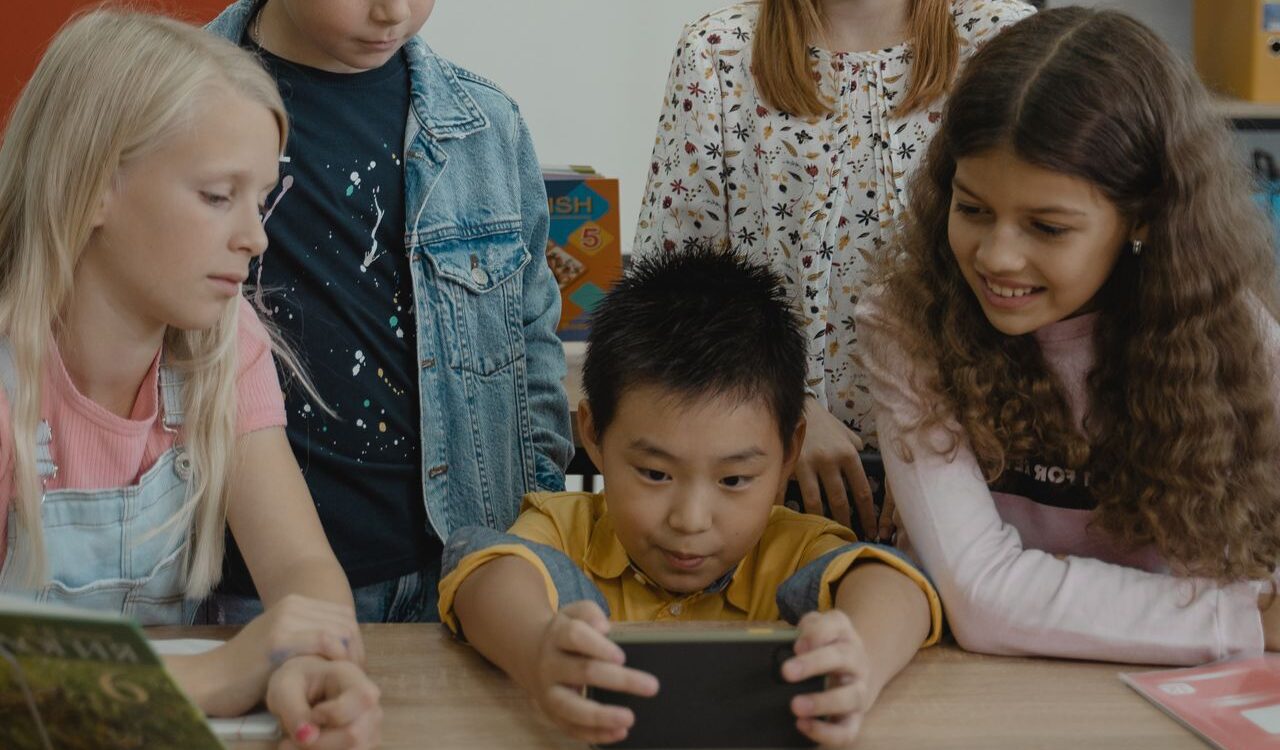
Starting September 1, 2026, new rules regarding the use of cell phones and other electronic devices will come into effect in Polish preschools and primary schools. On July 30, 2026, President of the Republic of Poland, Karol Nawrocki, signed an amendment to the Education Law, introducing a statutory ban on the use of such devices by the youngest students. The new regulations are intended to improve concentration during classes, support children's mental well-being, and facilitate the development of direct relationships with peers. For families, this means preparing children for the changes in the school's daily routine.
Since when has the ban on phones in schools been in force?
The new regulations will come into effect for students on September 1, 2026. They will cover public and private primary schools, preschools, preschool classes operating in schools, and other forms of preschool education.
Uniform rules will therefore be introduced primarily in institutions attended by the youngest children. In high schools, technical schools, and other post-primary schools, the use of devices will be governed separately.
Where and when will the ban on using phones apply?
The restrictions will not apply solely to classroom time. Children and students will not be permitted to use the following prohibited devices:
- during lessons and breaks;
- during other activities conducted by the facility;
- on school or kindergarten premises;
- during educational activities organized outside the facility building.
In practice, this means that the phone will not be able to be used during physical education lessons taking place in a swimming pool, outdoor pitch or in a rented sports hall.
The situation will be different for school trips. They will not be covered by the general ban under the law, but schools will be able to establish their own rules for using devices during trips.

What devices are covered by the school phone ban?
The new regulations don't just apply to smartphones . They also cover other electronic devices used for communication, audio recording, or video recording.
Depending on the equipment and available features, the ban may also apply to smartwatches that allow calls, tablets, digital cameras , and recording devices . What matters most is the device's intended use, not its name.
Will the school store students' phones?
Schools and kindergartens will be able to prepare designated areas for storing phones and other devices , but the regulations do not impose such an obligation on them.
If a school decides to implement such a solution, it should ensure both the security of the equipment and the privacy of students. Stored devices must be secured against unauthorized access.
The principal will be able to establish detailed rules for storing and receiving phones. The decision to create a storage area will be made with the consent of the teaching staff and parents' council, after consulting the student council.
What are the consequences of breaking the ban on using a phone at school?
The response to a violation of the ban will depend, among other things, on the school's statute. The institution may provide educational measures, warnings, consequences specified in its internal regulations , as well as the possibility of taking the violation into account when assigning a conduct grade.
This doesn't mean, however, that every single phone call will automatically impact a student's grade. The circumstances of the incident, the frequency of rule violations, and the procedures adopted by the specific institution will all play a role.
When will the student be able to use the phone?
The ban will not apply without exception. The regulations take into account situations where the device may be needed for educational, health, or safety reasons.
A student will be able to use the phone when:
- the teacher deems the device necessary during classes or knowledge testing;
- Urgent contact with the parent will be necessary;
- there is an immediate threat to health or life;
- The use of equipment will result from the child's health, disability or other special needs of a given student.
The phone will still be able to function as a tool to support learning, contact or health monitoring , but its use will only be possible in certain circumstances.
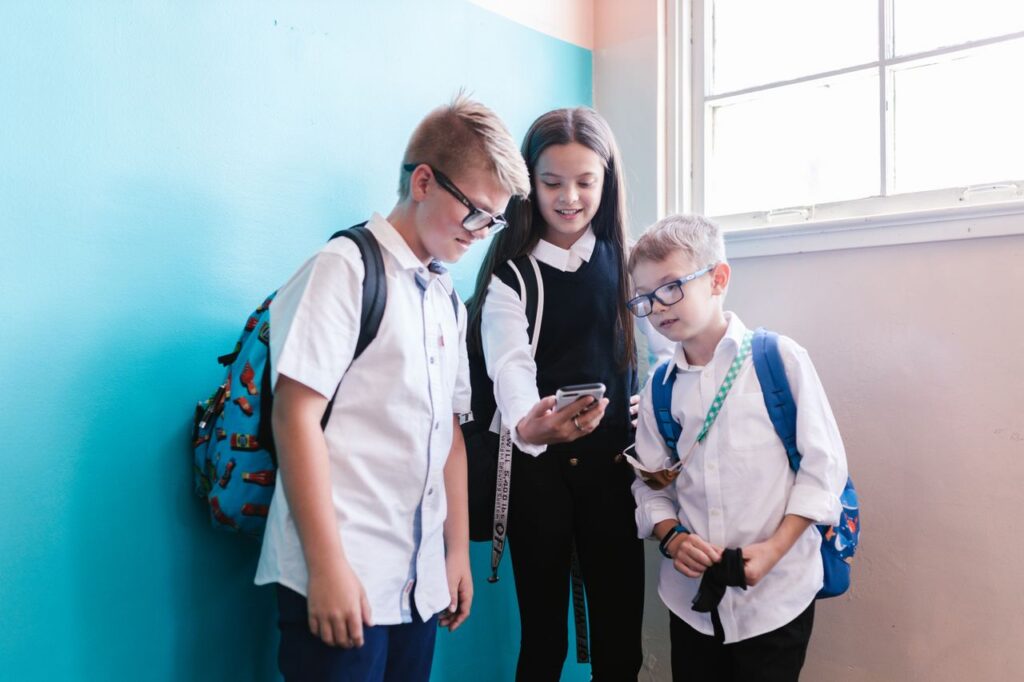
Will the phone ban apply to high schools and technical schools?
In secondary schools, there will not be a single nationwide ban with the same scope as in primary schools.
High schools, technical schools, vocational schools, and adult education schools will be required to define rules for the use of phones and other electronic devices in their statutes. Institutions will be able to allow their use in selected situations or implement broader restrictions.
As a result, policies may vary between schools. One school may allow phones during breaks, while another may restrict their use throughout the student's time at school.
Will the ban apply during trips and in the boarding school?
The statutory ban on the use of mobile phones by children will not cover school trips, boarding school stays or the use of the facility's infrastructure outside school hours , for example the school playground made available to residents.
This doesn't mean, however, that students will always be able to use their phones without restrictions in these situations. Detailed rules may be included in the school's statute.
How to prepare your child for the phone ban at school?
The new regulations may be particularly impactful for children who have been in constant contact with their parents via phone or smartwatch. Therefore, it's worth discussing with your child in advance what will change in September and what contact will look like in the event of an emergency.
Before the school year starts, it is a good idea to:
- explain to your child in what situations they will still be able to use the phone;
- determine how to contact a parent in an urgent matter;
- check the statute and announcements of a specific school;
- find out if the facility plans to store the devices;
- report the child’s health needs to the teacher or principal;
- remind you that the restrictions will also cover breaks and some classes outside the school building.
It's worth emphasizing that children will not be deprived of the opportunity to ask for help . In an emergency, they will be able to contact a parent with the teacher's permission or contact a member of staff at the facility.
Global Wave of Change: Where Have Smartphones Already Disappeared from Schools?
Poland is not alone in amending its education law – the global trend of restricting electronics in education has gained incredible momentum in recent years. According to data from March 2026, 114 education systems worldwide have already introduced national bans on cellphone use , meaning nearly 60% of countries have opted to do so [4].
This is a huge leap compared to mid-2023, when similar restrictions were in place in only one in four countries. France was a pioneer in Europe , being one of the first to ban smartphones from primary and lower secondary schools, and by the end of 2025, Croatia, Malta, Georgia, and Costa Rica had joined this group.
Even in countries without a top-down, national ban, such as the USA, as many as 39 states have decided to introduce state regulations that force schools to limit access to phones in classrooms [4].
Protecting concentration and mental health, i.e. the real effects of restrictions
The main motivator for governments implementing these changes is the desire to eliminate distractions and strengthen students' social skills , which have begun to fade in a world dominated by screens.
UNESCO data shows that limiting access to devices in schools is becoming crucial to protecting emotional well-being, especially for girls [4]. Research indicates that social media negatively impacts body image in female students twice as often as in their peers, and popular app algorithms can bombard young people with harmful content every few seconds [4].
Banning students from using phones can be an effective tool for organizing the school environment, but it does not replace digital education, cooperation with parents, or clear rules for phone use that also apply outside of school.
This direction is also consistent with the UNESCO position, which recommends using technology in the classroom when it clearly supports educational goals, and not as a routine and default solution [5].
Bibliography (accessed on July 31, 2026):
- Sejm of the Republic of Poland, Government bill amending the Education Law. Form No. 2668, Warsaw 2026, together with the draft act, justification and documentation of the legislative process, accessed: 31/07/2026.
- Ministry of National Education, The Sejm passed a law on the use of mobile phones in schools and kindergartens, 3.07.2026, Gov.pl portal, accessed: 31/07/2026.
- Ministry of National Education, The Senate passed the bill on the use of mobile phones in schools and kindergartens without amendments., 8/07/2026, Gov.pl Portal, accessed: 31/07/2026.
- UNESCO, Global Education Monitoring Report, Phone bans in schools are spreading worldwide as the policy debate rages on, 26/07/2023, updated: 24/01/2025, https://www.unesco.org/gem-report/en/articles/phone-bans-schools-are-spreading-worldwide-policy-debate-rages, accessed: 18/01/2022.
- UNESCO, To ban or not to ban? Monitoring countries' regulations on smartphone use in school, 26/07/2023, updated: 24/01/2025, https://www.unesco.org/en/articles/smartphones-school-only-when-they-clearly-support-learning, accessed: 18/01/2022.


