





Anti-colic bottle for a newborn: how does it work, how to use?


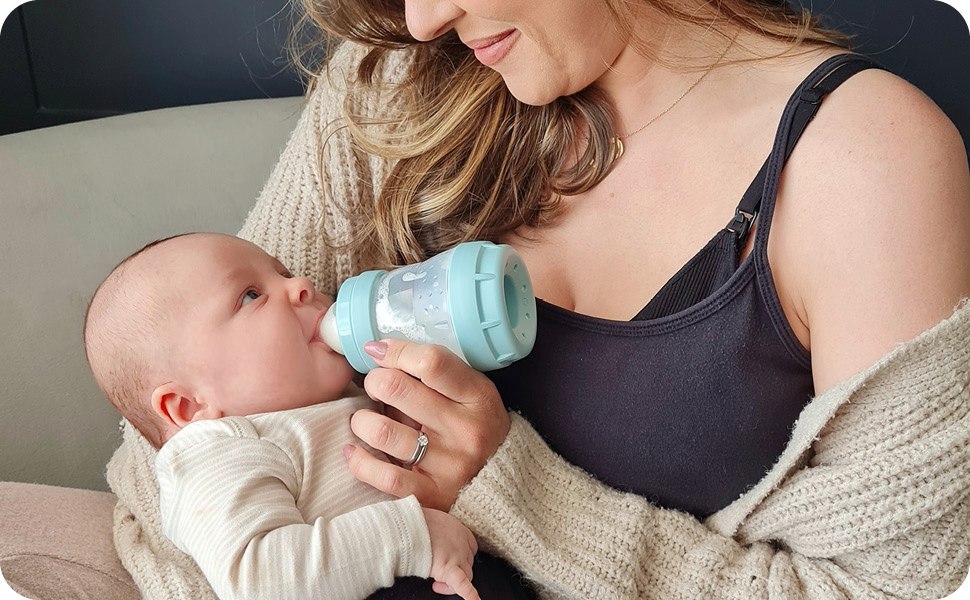
Infant colic is one of the most frequently reported health complaints in the first months of a baby's life. It is characterized by intense crying that is difficult to calm down, which is probably caused by the discomfort associated with the accumulation of gas in the baby's belly. Newborns are particularly vulnerable to it due to their immature digestive system, which is often unable to effectively deal with the digestion and elimination of gases.
Colic can be a source of great stress for both the baby and its caregivers. In this article, we will look at the role that an anti-colic bottle can play in relieving these unpleasant symptoms and explain how to use it to improve your baby's well-being. You don't know how an anti-colic bottle works and which one is suitable for a newborn? We invite you to read the article.
What is infantile colic?
Before we delve into how an anti-colic bottle works and how to use it, a few words of introduction are in order regarding infant colic itself. It's a common condition that appears in babies, most often in the first few months of life. Its etiology is not fully understood.
It is manifested by long-lasting, intense crying of the baby, which can last up to several hours a day, most often in the evening. A child struggling with colic often clenches his fists and pulls his bent legs towards the belly, which is hard and swollen.
In our latest e-book you will find 22 of the most popular ways to deal with colic – check out what experts and parents think about them:
Expert advises
Although colic is a temporary phenomenon and does not usually indicate serious health problems, it can significantly affect the baby's well-being and the quality of life of the entire family. Understanding the mechanisms of colic is key to finding the most effective ways to relieve it, as well as recognizing when symptoms may indicate more serious health problems that require consultation with a doctor. Such knowledge is particularly useful in the first, often stressful months of a baby's life.


How does an anti-colic bottle work?
When deciding which anti-colic bottle is right for your newborn, it's crucial to understand the mechanisms that allow it to alleviate colic symptoms. How does an anti-colic bottle work?
Anti-colic bottles are designed to minimize the amount of air swallowed by the baby during feeding and intense crying. The main element of such a bottle is a special ventilation system, which affects its anti-colic functionality.
One well-regarded example of a bottle equipped with such a system is the MAM Baby Easy Start™ Anti-Colic bottle , which received a positive review from experts at the Institute of Mother and Child. How does this anti-colic bottle work?
The MAM Baby Easy Start™ Anti-Colic features a uniquely designed, ventilated base that ensures a steady flow of liquid. A valve at the bottom of the bottle effectively prevents air bubbles and frothing.
Recommended products



Midwife, Expert in issuing opinions on utility products at the Institute of Mother and Child
This anti-colic system ensures a steady and consistent flow of fluid, without the characteristic suction effect. This prevents the baby from swallowing air bubbles along with the milk. The way the anti-colic bottle works ensures that feeding is relaxed and uninterrupted, a crucial element in relieving colic symptoms.

Which anti-colic bottle for a newborn?
The anti-colic bottle we choose for a newborn can have a noticeable impact on alleviating the symptoms of colic. We already know how anti-colic bottles work and that they are designed to minimize the amount of air swallowed during feeding and during intense crying. However, what else should we know when looking for an answer to the question: which anti-colic bottle for a newborn?
The primary consideration when choosing an anti-colic bottle is its ventilation system. The shape of the bottle and nipple are also important . Ergonomically shaped bottles make it easier to hold them correctly, which also helps reduce the amount of air swallowed.
Expert advises
Bottle teats should imitate the shape of the mother's breast, which is especially important for newborns switching from breastfeeding to bottle feeding. It is worth emphasizing that the appropriate selection of a pacifier, adapted to the child's age and needs, also has a significant impact on the effectiveness of the anti-colic bottle. However, the fit of the pacifier itself may vary depending on the child's individual drinking patterns.
What else should an anti-colic bottle be for a newborn?
An anti-colic bottle for a newborn should be made of safe materials. Materials such as medical-grade silicone or polypropylene, free of BPA and phthalates, guarantee safety and durability. Furthermore, it's worth paying attention to how the bottle is cleaned. After all, it will be used regularly.
Choosing a bottle that integrates all these features can significantly affect the comfort of feeding and the child's well-being.
However, in addition to knowing what an anti-colic bottle should be for a newborn or infant, you should also know how to use an anti-colic bottle properly. You will find the answer to this question later in the text.
How to use an anti-colic bottle?
For the anti-colic bottle to be effective in alleviating the symptoms of infant colic, it must be used correctly. Here are tips to help parents get the most out of the anti-colic bottle while ensuring baby's safety and comfort while feeding. How to use an anti-colic bottle correctly?
- The first step is to make sure the bottle is always there before each use properly assembled.
All bottle components, including the teat, safety ring and ventilation system, must be carefully checked for damage and assembled correctly. Improperly assembling the bottle can lead to leaks and create a risk of your baby swallowing air.
- During feeding, the bottle should be held under right angleso that the teat and the neck of the bottle are filled with milk. This also prevents air bubbles from forming in the milk, which the baby could swallow.
- It is important to feed your baby at a calm atmosphere and avoid rushing, which additionally helps the baby to suck properly and minimize air swallowing.
- Fill the bottle carefully after each feeding wash and steam or sterilize. Regularly cleaning the bottle is essential to ensure its hygiene and functionality.
- Pacifiers and bottles should also be provided regularly replaced according to the manufacturer's recommendations to maintain maximum effectiveness of the anti-colic bottle.

Overstimulating the baby and infantile colic
Experts are increasingly drawing attention to the link between sensory overstimulation and the development of colic symptoms. Infants are particularly sensitive to their surroundings, which can easily lead to overstimulation. This condition, in turn, can contribute to discomfort, digestive problems, and worsen colic symptoms, even increasing its frequency.
Expert advises
Parents should remember that a child's ability to process information develops gradually and requires time and support from caregivers. Especially during this period, excess stimuli such as noise, intense light or too much activity can lead to overstimulation.
Managing the environment in which a child spends time is key to minimizing overstimulation:
- Maintenance routines in everyday activities, it helps the child predict what will happen, which can significantly reduce stress.
- Moreover, it is worth taking care of it place, where the baby stays and is fed, is calm and free from unnecessary stimuli, such as loud sounds or bright lights. Remember that this also applies to all types of toys and mobiles.
- Gentle, quiet play before bedtime or feeding and avoiding excessive contact with strangers or large groups of people can help maintain the condition. peace baby.
A comprehensive approach to relieving infant colic
An anti-colic bottle is just one of many ways to support babies suffering from colic. However, choosing the right bottle, knowing how it works and how to use it, and combining it with other care methods can significantly help in coping during this difficult time.
It's important for parents to utilize available methods and not postpone consulting specialists if the situation requires it. This is to ensure the most peaceful first months of life for themselves and their children.
Medical consultation